
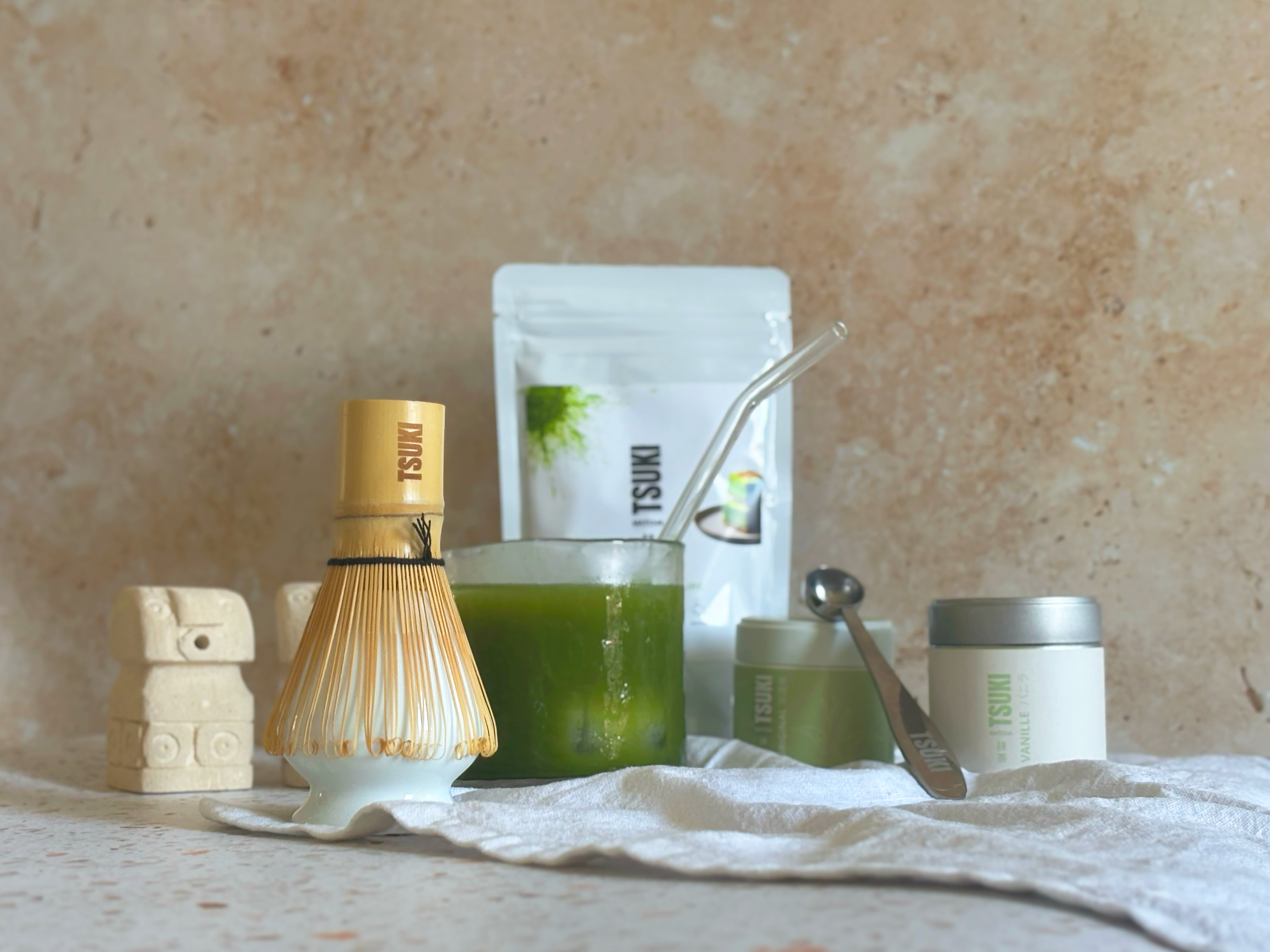

Matcha for Coffee Shops: How to Add it to Your Menu
Matcha is no longer a passing trend. In major French cities and internationally, it has become a lasting fixture in coffee shops, hotels, and concept stores.
For an establishment, offering matcha coffee today is no longer a fad, but a true strategic lever for differentiation and profitability.

Why matcha is appealing to coffee shops
Consumers are evolving. They are looking for alternatives to coffee, beverages that are more balanced, more aesthetically pleasing, and associated with a wellness universe. Matcha perfectly meets this expectation.
Visually attractive, naturally rich in antioxidants, and conveying a premium Japanese image, matcha coffee shops fit into a strong lifestyle logic. On social media, matcha lattes generate higher engagement than classic beverages. Their vibrant color and frothy texture make them a photogenic and shareable product.

Adding matcha to your menu means attracting a curious clientele, attentive to the quality of ingredients and willing to pay for a differentiating experience.
Professional matcha latte: an attractive margin
One of the major advantages of professional matcha latte lies in its cost structure.
On average, a 2-gram portion of matcha makes a drink sold for between €6 and €9, depending on the establishment's positioning. The material cost remains controlled, especially when the supplier offers suitable professional formats.

The margin per cup is often higher than that of a classic espresso, while enhancing the premium image of the menu. Matcha thus becomes a strategic product with high profitability, provided that a stable and consistent quality tea is chosen.
Profitable and easy-to-integrate recipes
Offering matcha coffee does not require disrupting existing operations.

A professional matcha latte is prepared in a few simple steps:
dissolving the matcha in a small amount of hot water, adding hot or cold milk, then optionally a homemade syrup or a plant-based alternative.
Several variations can enrich the menu:
• Classic Matcha latte
• Iced Matcha latte
• Vanilla Matcha
• House signature Matcha
• Matcha pastry as a complement
The advantage lies in the versatility of the product. The same matcha can be used for drinks and culinary creations, thus optimizing stock rotation.
The importance of matcha quality in a coffee shop
Not all matchas are created equal. A powder that is too bitter, too dull, or poorly stored can quickly degrade the customer experience.

In a coffee shop, consistency is essential. The taste must be stable, the color intense, the texture fine. Quality depends on several factors: shading of the leaves, harvesting, sorting of the tencha, slow stone grinding, and storage conditions.
A professional quality matcha guarantees:
• A better foam
• A vibrant color
• Controlled bitterness
• A consistent customer experience
Working with a specialized supplier allows you to adapt the grade according to your activity, optimize the dosage, and secure your profitability.
Structuring your matcha offering sustainably
Integrating matcha into your menu should not be improvised. The choice of supplier, grade, and format determines the success of the project.
To learn more and discover how to select a partner suitable for cafes, pastry shops, and hotels, consult our complete guide.
Matcha is not just an additional drink. When well integrated, it becomes a profitable and differentiating pillar of your menu.
To receive our professional price list, obtain samples, or discuss your matcha needs for coffee or pastry, complete our B2B form and our team will contact you shortly.


