

Matcha and Cortisol: Does Matcha Really Reduce Stress?
Matcha is increasingly being touted as a "natural anti-cortisol." Truth or marketing? We take a look at the science: what matcha really does to stress and cortisol, through what mechanisms, and how to intelligently integrate it into an effective anti-stress routine.
With the explosion of wellness on social media, we see sometimes excessive promises about matcha: "miracle anti-stress," "natural anti-cortisol," "shut your stress down." Beyond these marketing claims, what does science really say? Does matcha have a real effect on cortisol and stress, or is it just uninformed hype? This article provides an honest overview of the issue, without overselling or downplaying. What matcha really does, through what mechanisms, and especially how to integrate it into an anti-stress routine that actually works.
What exactly is cortisol?
Before talking about "anti-cortisol matcha," it's important to understand what cortisol is and its role in the body.
The stress hormone (and much more)
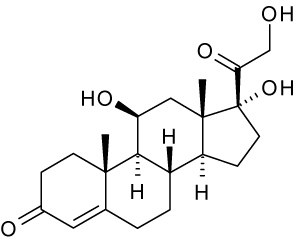
Cortisol is a hormone produced by the adrenal glands, often called the "stress hormone" because it is released in large quantities during stressful situations. But it also plays many other essential roles: regulating metabolism, blood sugar, blood pressure, and the sleep-wake cycle. Cortisol is not "bad" in itself. It is its chronic excess that becomes problematic.
Why high cortisol is a problem
When cortisol remains abnormally high over time (chronic stress, lack of sleep, overtraining), several undesirable effects appear: abdominal weight gain, paradoxical fatigue, anxiety, degraded sleep, weakened immunity, concentration problems. This is why "anti-cortisol" strategies aim to modulate this hormone, not suppress it.
The real anti-cortisol levers
Science is clear on what effectively reduces chronic cortisol: quality sleep, regular but moderate physical activity, meditation and breathing techniques, balanced nutrition, reduction of excessive stimulants. No single food or drink is enough to lower sustained high cortisol. But some, like matcha, can contribute as a piece of the puzzle.
The main mechanism: matcha's L-theanine
Matcha's effect on stress and cortisol primarily comes from a unique amino acid: L-theanine.

It is L-theanine, more than caffeine or antioxidants, that explains matcha's characteristic "calm but alert" profile.
What is L-theanine?
L-theanine is an amino acid naturally present in the leaves of Camellia sinensis, the tea plant that produces green tea and matcha. Since matcha is the entire powdered leaf (not a simple infusion), it contains much higher levels of L-theanine than other teas: between 15 and 25 mg per gram of matcha, or 30 to 50 mg per standard cup.
How it acts on stress
L-theanine crosses the blood-brain barrier and acts directly on the brain in several documented ways:
- Increases alpha waves: it stimulates the production of alpha brain waves, associated with a state of "relaxed alertness" (meditation, relaxation without drowsiness)
- Modulates the production of soothing neurotransmitters: it promotes GABA, serotonin, and dopamine, which contribute to well-being and stable mood
- Limits cortisol spikes: several studies suggest it attenuates cortisol peaks in response to acute stress, without lowering baseline levels
- Improves sleep quality: indirectly, by reducing daytime nervousness, it facilitates nocturnal recovery
These effects are now quite well documented in the scientific literature on L-theanine, even if specific research on matcha itself is still relatively recent.
The unique caffeine + L-theanine combination
The most remarkable effect of matcha comes from the caffeine-L-theanine combination. Caffeine stimulates, while L-theanine modulates and smoothes this stimulation. The result: you get the energy from caffeine, but without the nervousness or anxiety that often accompanies it. This unique mechanism is precisely what separates a matcha from a classic coffee in terms of how it feels.
What matcha really does for stress (and what it doesn't)
Let's be precise. Here's what's documented and what's marketing.
What is plausible
Matcha can attenuate the acute stress response thanks to L-theanine, particularly useful in specific situations (presentations, important meetings, busy periods). It can reduce caffeine-related nervousness, making it more tolerable than coffee for anxious individuals. It can promote calm concentration, a mental state useful for intellectual work without cognitive overload.
What is not proven
Matcha is not a miracle anti-cortisol. No solid study shows that it lowers chronically high cortisol in people under prolonged stress. It does not replace overall stress management (sleep, exercise, meditation, diet). It is not an anxiolytic in the medical sense: for established anxiety disorders, medical advice remains essential.
The expected real effect
Concretely, what regular matcha drinkers may feel: energy without agitation, a calmer alertness than that provided by coffee, better general tolerance to stimulating situations, and a soothing ritual in itself (preparing matcha is a contemplative moment that contributes to relaxation). All these effects are individually modest but real, and add to a good overall lifestyle.
How to integrate matcha into an anti-stress routine
If you want to use matcha for its anti-stress potential, here are the practical principles to follow.
The right time of day
Matcha is ideally integrated in the morning (7 am-11 am) and early afternoon (1 pm-3 pm). At these times, L-theanine supports calm alertness without interfering with sleep. However, avoid it after 4 pm: even with its slow release, caffeine remains present for several hours and can disrupt sleep onset, which would paradoxically increase cortisol.
The right dose to benefit from L-theanine
1 to 2 grams of matcha per cup, or 30 to 50 mg of L-theanine per cup. Two cups a day thus provide 60-100 mg of L-theanine, which corresponds to the doses shown to be active in most studies. Beyond that, the benefits are not increased; caffeine simply accumulates.
Prioritize quality matcha
L-theanine concentrations vary greatly depending on the quality of the matcha. Ceremonial grade matcha from Japan, grown in the shade (which increases the plant's L-theanine production), contains significantly more of this amino acid than low-grade culinary matcha.

Discover our selection of premium matcha
The quality of matcha is therefore directly linked to its anti-stress potential. To understand all the parameters that distinguish good matcha, the complete guide on the incredible benefits of matcha provides the global context.
Make the matcha moment a soothing ritual
Matcha's anti-stress effect comes as much from the preparation as from the content. Taking 3-5 minutes to sift, whisk, savor the foam, and slowly enjoy it is a mini-meditation ritual that, in itself, calms the nervous system. Drinking your matcha hastily in front of your computer drastically reduces this benefit.
Do not make it the sole solution
Matcha is one piece of the anti-stress puzzle, not the complete solution. For lasting effects, it must be part of a broader approach: 7-9 hours of sleep, regular physical activity, balanced diet, exposure to natural light, limiting screen time in the evening. It's the whole that works, not matcha alone.
Matcha vs. other natural "stress relievers"
How does matcha compare to other commonly cited "stress relievers"?
Matcha vs. ashwagandha
Ashwagandha is a traditional Indian adaptogenic herb with more direct studies on lowering cortisol. Its anti-cortisol effect is probably more pronounced than that of matcha. But ashwagandha provides no energy: it's a supplement, not an everyday drink. Matcha and ashwagandha are complementary, not competitors.
Matcha vs. meditation
Meditation remains the most documented tool for reducing chronic cortisol. No food rivals a regular meditative practice. But the matcha moment can precisely become a gateway to meditation, by ritualizing a moment of presence in the day.
Matcha vs. decaffeinated coffee
If the goal is solely to avoid caffeine, decaffeinated coffee is more radical. But it does not provide the L-theanine or antioxidants of matcha. Matcha offers an interesting compromise: caffeine present but smoothed, plus L-theanine, plus catechins.
Precautions and limitations
Matcha is generally safe, but a few precautions are worth knowing so as not to have the opposite effect of what is desired.
Excess can increase stress
Paradoxically, drinking too much matcha (more than 3-4 cups a day) can increase stress in some people, due to caffeine accumulation. If you feel nervous after your matcha, it's a sign to reduce the dose or the number of cups, not to drink more.
For highly anxious individuals
If you suffer from established anxiety disorders, consult a doctor before introducing daily matcha. Caffeine, even tempered by L-theanine, can amplify anxiety in very sensitive individuals. Start with a single 1g cup, in the morning only, and evaluate.
For sleep disorders
If you have difficulty sleeping, the "no matcha after 2 pm-3 pm" rule becomes even stricter. Poor sleep keeps cortisol high, so drinking matcha too late is counterproductive.
Frequently asked questions about matcha and cortisol
Does matcha really reduce cortisol?
Matcha can attenuate the acute stress response thanks to L-theanine, but no solid study shows that it lowers chronically high cortisol. Presenting matcha as a "miracle anti-cortisol" is a marketing exaggeration. It can be a useful piece of a holistic anti-stress routine, not a standalone solution.
What is L-theanine in matcha?
L-theanine is an amino acid naturally present in tea leaves, and particularly concentrated in matcha (15-25 mg per gram). It acts on the brain by increasing alpha waves (a state of relaxed alertness) and by modulating soothing neurotransmitters like GABA and serotonin. This is the main mechanism by which matcha contributes to a state of calm alertness.
Why does matcha make you less nervous than coffee?
Because the L-theanine present in matcha modulates and smoothes caffeine absorption. The result is more stable energy, without the typical peak-and-crash and nervousness of coffee. This is what makes matcha a good alternative for people sensitive to caffeine.
How many cups of matcha to benefit from the anti-stress effect?
1 to 2 cups of matcha per day, ideally in the morning and early afternoon, provide 30 to 100 mg of L-theanine, which corresponds to the doses shown to be active in the majority of studies. Beyond 3 cups, the benefits are not increased; caffeine simply accumulates.
Is matcha a natural anxiolytic?
No, not in the medical sense. Matcha can contribute to a state of calm alertness thanks to L-theanine, but it does not replace an anxiolytic treatment for established disorders. In case of chronic anxiety, medical advice remains essential.
Should matcha be taken in the morning or evening for stress?
In the morning (7 am-11 am) and early afternoon (1 pm-3 pm), never after 4 pm. Caffeine remains present for several hours and would disrupt sleep, which would, on the contrary, increase cortisol. Drinking matcha early in the day maximizes anti-stress benefits.
Can matcha increase stress in some people?
Yes, if the dose is excessive (more than 3 cups per day) or if the person is very sensitive to caffeine. In these cases, caffeine can overpower the modulation by L-theanine and create nervousness. If you experience this, reduce the dose or the number of cups, and prioritize morning consumption only.
Is a special matcha needed for the anti-stress effect?
Ceremonial grade matcha from Japan, grown in the shade, contains significantly more L-theanine than low-grade culinary matcha. To fully benefit from the anti-stress effect, choose a quality matcha with a bright jade green color, a sign of good shading and thus a good concentration of L-theanine.
A piece of the wellness puzzle
Matcha is not the miracle anti-cortisol touted by some Instagram accounts. But it's not empty marketing either: the L-theanine it contains has real effects on mental calm and the moderation of acute stress, documented by science. Well integrated into a holistic routine (sleep, exercise, diet, meditation), matcha is one of the most interesting beverages to support a state of calm alertness in everyday life. Not a magic solution, but a real piece of the wellness puzzle, provided you respect the doses, timings, and prioritize quality matcha.

To fully enjoy the L-theanine and benefits of matcha, choosing ceremonial grade matcha from Japan makes all the difference. Discover our selection of premium matcha, grown in the shade according to Japanese tradition for optimal concentration of L-theanine and antioxidants.


