
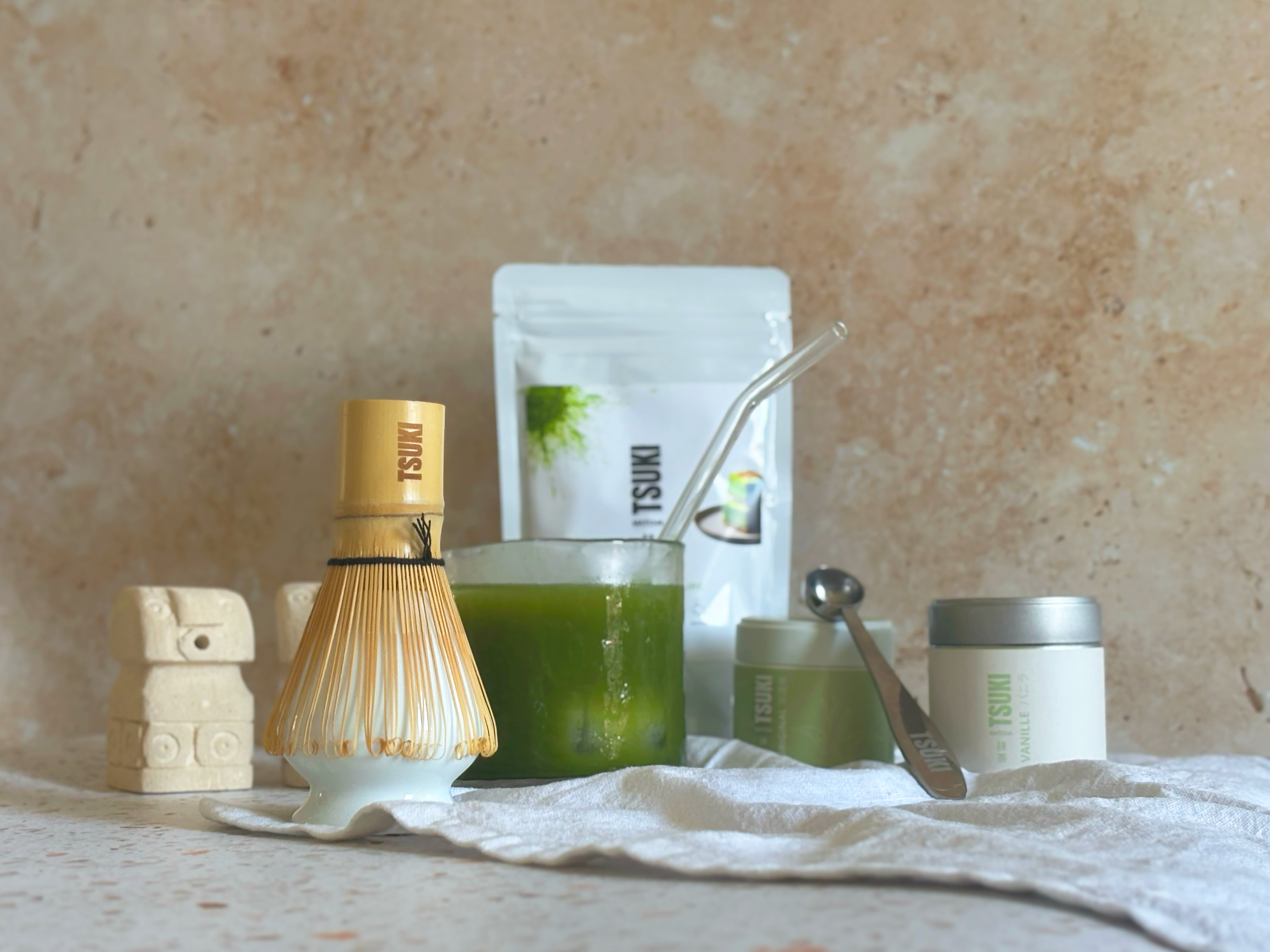

L-Theanine and caffeine: the unique synergy that makes matcha so effective
Matcha is more than just caffeine. Its true strength comes from a rare combination of two molecules: caffeine and L-theanine. Together, they produce an effect that coffee alone cannot replicate. Here's how this synergy works, and why it makes matcha a serious alternative to coffee.
Many people discover matcha when looking for more stable energy. They want the alertness of coffee, without the jitters or the subsequent crash.
What they experience is no accident. It's the result of a precise combination, unique to matcha.
Two Molecules, Two Opposing Effects
To understand the synergy, we must first separate the two players.
Caffeine, the Stimulant
Caffeine is a well-known stimulant molecule. It reduces feelings of fatigue and increases alertness.
Its drawback is its abruptness. Taken alone and in large quantities, it can cause nervousness, an accelerated heart rate, and then a noticeable dip when its effects wear off.
L-theanine, the Calming Agent
L-thetheanine is an amino acid found primarily in tea, and especially in matcha. It is associated with a state of calm and relaxation, without causing drowsiness.
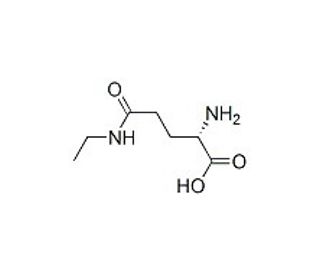
Its role in matcha is detailed in this article on L-theanine in matcha and focus. It is the key molecule for the entire synergy.
The L-theanine and Caffeine Synergy Explained
Taken together, these two molecules do not cancel each other out. They balance each other.
Caffeine provides alertness. L-theanine softens its excesses. The result is often described as a state of calm concentration, a settled alertness rather than agitation.
Several studies suggest that the combination of L-theanine and caffeine promotes attention and mental clarity better than caffeine alone. It is this combination that explains the particular feeling of matcha.
Its effects on attention are discussed in more detail in this article on the effects of matcha on concentration and memory.
Why Matcha Is So Special
Many teas contain L-theanine and caffeine. But matcha stands out in two ways.
First, shade cultivation. Before harvest, tea plants intended for matcha are shaded for several weeks. This process naturally increases the L-theanine content of the leaves.

Second, consumption of the whole leaf. Unlike an infused tea that is then discarded, matcha is drunk as a powder. This means you ingest all of its compounds, including caffeine and L-theanine.
The exact amount of caffeine is covered in our article on matcha and caffeine. What matters here is the favorable ratio between the two molecules.
Matcha vs. Coffee: What's the Difference in Use?
On paper, both provide caffeine. In practice, the experience differs significantly.
| Criterion | Matcha | Coffee |
|---|---|---|
| Calming Molecule | L-theanine present | Absent |
| Type of Energy | Progressive and calm | Rapid and strong |
| "Crash" | Gentle and prolonged | Often pronounced |
| Nervousness | Rare at usual doses | Possible if overconsumed |
A more complete comparison is available in our dedicated article comparing matcha and coffee.
This stability also explains why matcha is often chosen during stressful times. Its link to stress management is explored in this article on matcha and cortisol.
How to Best Benefit from this Synergy
The synergy works even better with matcha rich in L-theanine. And L-theanine content directly depends on quality.
Ceremonial grade matcha, made from shaded and young leaves, contains more L-theanine than low-grade matcha. This is a criterion not to be overlooked if you are looking for this specific effect.
For daily use, a cup in the morning or early afternoon suits most routines. Matcha then makes an excellent replacement for coffee, without the subsequent crash.
If you want a serious coffee alternative, choose quality matcha. You can buy matcha ceremonial grade directly from our collection.

Frequently Asked Questions
Does L-theanine cancel out caffeine?
No. It does not suppress the effect of caffeine. It softens its excesses, leading to a calmer and more stable alertness.
Does matcha contain as much caffeine as coffee?
Generally, a cup of matcha provides a moderate dose of caffeine, often less than that of coffee. The presence of L-theanine primarily changes how this caffeine is experienced.
Can the synergy be felt from the first time?
Many people notice a more settled energy from the very first cups. However, the experience varies from person to person.
Which matcha should I choose for this effect?
A ceremonial grade matcha, rich in L-theanine thanks to shade cultivation. This is the best choice to fully enjoy the synergy.
The Final Word
The strength of matcha does not lie in a single molecule. It comes from the balance between caffeine and L-theanine, a duo that coffee does not possess.
This is what makes it a credible alternative for those who want to stay focused without experiencing brutal highs and lows. A gentler, yet very real, energy.

Ready to experience this more stable energy? Discover our premium Japanese ceremonial grade matcha and find your rhythm.


