
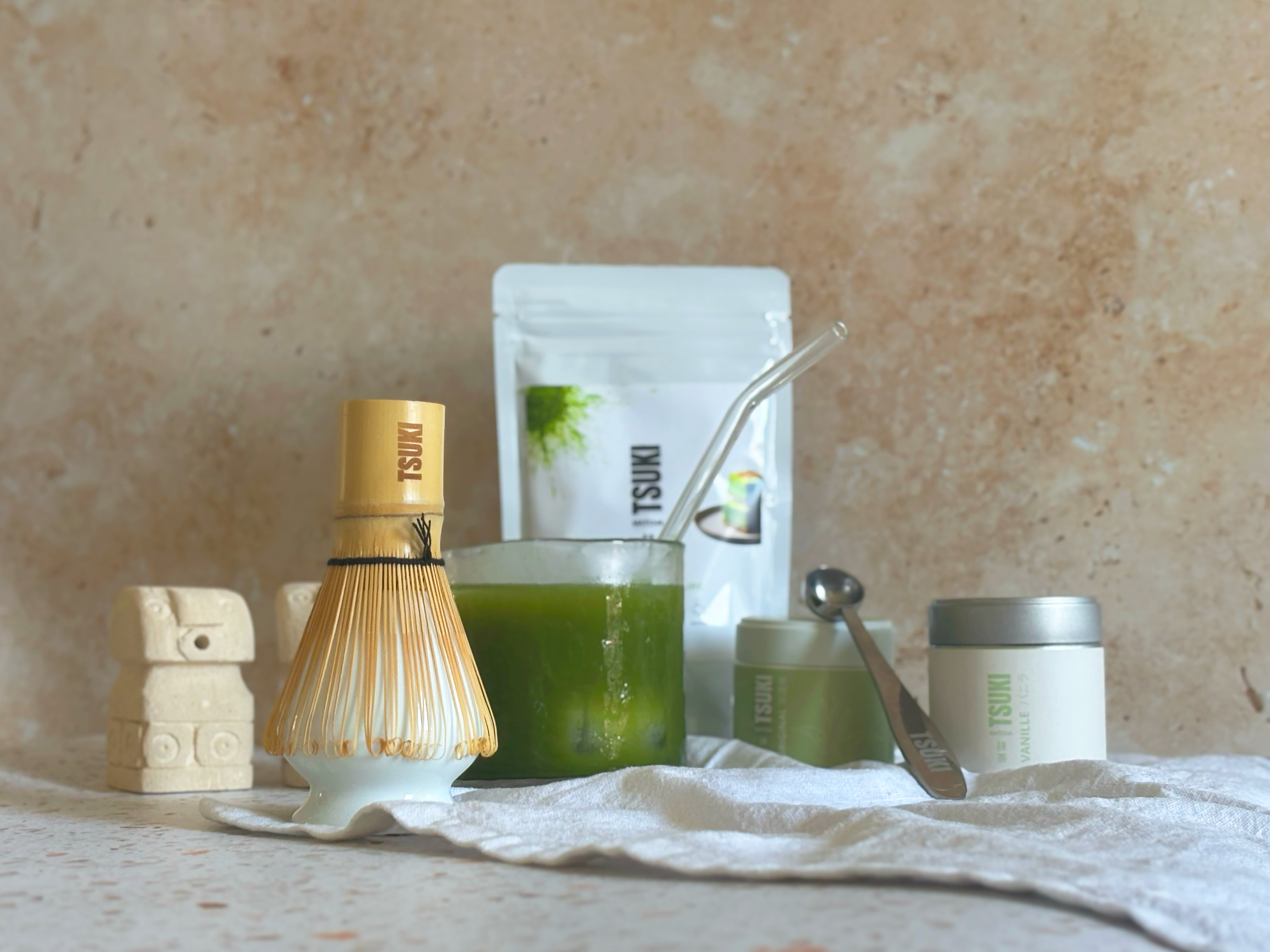

Matcha Antioxidant: Catechins, EGCG, and the Protective Power of Green Powder
Matcha is often touted as one of the most antioxidant-rich beverages in the world. Behind this reputation lie specific compounds, catechins, the most studied of which is EGCG. Here's what they truly are, why matcha concentrates so much of them, and how to enjoy them without falling for exaggerated claims.
When matcha is described as an antioxidant powerhouse, it's a measurable fact, not just a marketing ploy. The stone-ground green tea powder contains a remarkable amount of a family of protective molecules. Understanding these molecules helps to better position matcha within a wellness routine and to distinguish between well-documented effects and claims that are too good to be true.
What is an antioxidant, and why does the body need it?
An antioxidant is a molecule capable of neutralizing free radicals. These free radicals are unstable compounds produced naturally by the body, particularly during cellular respiration, but also due to pollution, smoking, sun exposure, or stress.
In excess, these free radicals cause what is known as oxidative stress. This phenomenon gradually damages cells, proteins, and DNA. It is associated with tissue aging and some age-related imbalances. Antioxidants act as a defense system that limits this damage by capturing free radicals before they can wreak havoc.
The body produces its own antioxidants, but it also relies on those provided by food. Fruits, vegetables, tea, cocoa, and spices are good sources. Matcha stands out for its density, as the entire ground tea leaf is consumed rather than just an infusion.
Catechins, matcha's star antioxidants
The main antioxidants in matcha belong to the catechin family. These are polyphenols naturally present in the leaves of Camellia sinensis, the tea plant. Green tea contains them particularly abundantly because it undergoes minimal processing after harvesting.

Several catechins are distinguished in green tea, including EGC, ECG, and especially EGCG. The latter, epigallocatechin gallate, is by far the most studied and active. It is what drives most of the scientific interest in matcha.
These catechins also contribute to the taste structure. Part of matcha's slight astringency comes from them. Quality matcha balances this astringency with sweetness and umami, resulting in a well-rounded rather than aggressive cup. This link between composition and flavor explains why antioxidant power and enjoyment often go hand in hand.
EGCG, the most studied molecule in green tea
EGCG is the star catechin of matcha. Research has been interested in it for decades due to its strong antioxidant properties, measured in the laboratory. It is one of the compounds that explains why green tea so often appears in studies on diet and health.
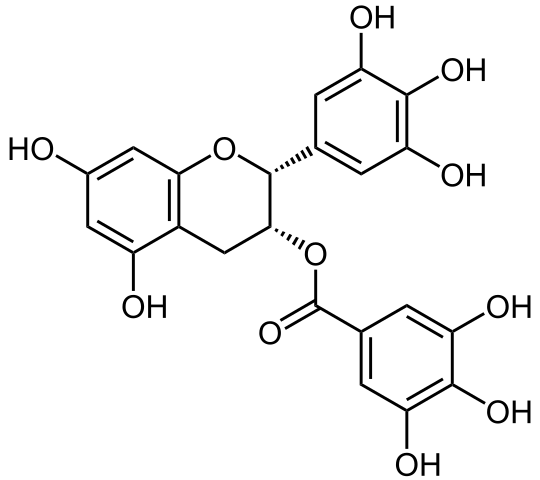
Several studies have explored the role of EGCG in cell protection, metabolic support, and oxidative stress management. These are serious avenues, but they remain avenues. Many studies are conducted on cells or animals, with doses sometimes much higher than those in a daily cup. Therefore, it is important to remain measured and distinguish between potential observed in the laboratory and the reality of common consumption.
What is reasonable to remember is that matcha provides a significant dose of EGCG in an enjoyable format that is easy to integrate into daily life. To delve into the available evidence and its limitations, it is useful to know what research actually establishes about matcha rather than relying on slogans.
Why matcha concentrates so many antioxidants
Matcha is not like other green teas, and its richness in antioxidants is due to three specific production and consumption characteristics.

First, shading. A few weeks before harvest, tea bushes intended for matcha are covered to partially deprive them of direct light. The plant reacts by altering its composition, which influences its content of active compounds and also gives it that intense green color.
Next, the tencha process. Selected leaves are steamed, dried, then stripped of veins and stems before being slowly ground with a stone mill. This produces a very fine powder that retains the leaf's material.
Finally, and crucially, the entire leaf is consumed. With an infused tea, only a fraction of the compounds that pass into the water are recovered. With matcha, the powder is whisked and consumed entirely. Therefore, catechins, the chlorophyll that colors the powder, and other nutrients from the leaf are directly ingested.
Matcha and coffee: two very different antioxidant profiles
Coffee also contains antioxidants, and there is no question of directly opposing it to matcha. The two beverages simply operate in different registers.
Matcha combines its catechins with L-theanine, an amino acid that provides a sense of calm. This combination creates a more stable energy, without the peak followed by a crash that some experience with coffee. This synergy between L-theanine and caffeine is part of what makes matcha so special in daily life.
For those who hesitate between the two morning beverages, a practical comparison of matcha and coffee for energy and digestive comfort helps to choose according to one's own feelings rather than trends.

Matcha antioxidants and skin beauty
Oxidative stress also affects the skin. Sun exposure, pollution, and fatigue accelerate the formation of free radicals that weaken skin tissues. This is where dietary antioxidants find a concrete benefit for skin radiance.
By protecting cells from oxidative stress, catechins support the mechanisms that preserve healthy skin day after day. The effect never replaces good lifestyle habits or sun protection, but it is part of a coherent routine.
This logic also extends to the question of deep skin support. Combining a regular intake of antioxidants with targeted actions involving matcha and collagen for skin firmness provides a holistic approach rather than an isolated miracle cure.
How to preserve the antioxidant power of your matcha
Having antioxidant-rich matcha is not enough. You also need to choose, store, and prepare it correctly to avoid wasting its qualities.
Initial quality matters greatly. Ceremonial-grade matcha, made from young leaves and finely ground, offers a higher density of compounds than a low-grade powder, which is often oxidized and dull. Color is a first indicator, as a vibrant green indicates a fresh and well-prepared powder, while a yellow or khaki tone betrays an aged product.
Storage is just as important. Catechins are sensitive to air, light, heat, and humidity. Matcha stored in an airtight container, away from light and heat sources, retains its vibrancy for much longer. It is better to buy reasonable quantities and consume them within a short period rather than keeping a large open jar for months.
Finally, preparation plays a role. Water that is too hot can accentuate bitterness and overwhelm the powder. Water around 70 to 80 degrees better respects the balance of matcha and makes the cup more pleasant, which simply encourages regular consumption.
Do you need to drink a lot to benefit from antioxidants?
There's a temptation to drink multiple cups to maximize antioxidant intake. This reasoning is misleading, as more is not always better.

One to two cups of matcha per day are amply sufficient to integrate a good dose of catechins into a balanced diet. Beyond that, caffeine intake also increases, which can disrupt sleep or cause nervousness in sensitive individuals. Regularity takes precedence over quantity.
Matcha is also not an isolated solution. It is part of a set of good habits, alongside a plant-rich diet and an active lifestyle. Viewed as a pleasant and regular ritual, it perfectly holds its place among the many benefits associated with daily matcha.
Frequently asked questions about matcha and its antioxidants
Is matcha really richer in antioxidants than classic green tea?
Yes, of equal quality. The difference lies in the fact that the entire leaf is consumed as a powder rather than an infusion. Therefore, a much larger proportion of catechins is obtained, whereas a simple infusion only releases a fraction into the water.
What is EGCG in matcha?
EGCG, or epigallocatechin gallate, is the main catechin in green tea. It is the most studied antioxidant in matcha, known for its strong activity against oxidative stress observed in the laboratory.
Does cooking matcha destroy its antioxidants?
High and prolonged heat can degrade some of the catechins. For a beverage, water around 70 to 80 degrees better preserves matcha. In baking, some compounds are affected, but matcha retains its gustatory interest and some of its qualities.
How many cups of matcha per day to benefit from antioxidants?
One to two cups per day represent a good balance. This provides a good amount of antioxidants while keeping caffeine intake under control. Regularity matters more than occasional quantity.
Do matcha antioxidants help the skin?
Catechins help limit oxidative stress that weakens tissues, including skin. This supports healthy skin as part of a good lifestyle, without replacing sun protection or a suitable skincare routine.
How to store matcha to retain its antioxidants?
It must be protected from air, light, heat, and humidity. An airtight container, a cool and dark place, and consumption within a reasonable time frame help preserve the freshness and antioxidant power of the powder.
A simple ritual for daily antioxidants
Matcha combines a rare pleasure of tasting with a significant density of antioxidants. Its richness in catechins and EGCG makes it an enjoyable ally for anyone who wants to integrate more protective compounds into their day, effortlessly and without supplements.

The essential lies in quality and regularity. A beautiful, well-preserved powder, carefully prepared and savored daily, is better than spectacular promises. To enjoy this antioxidant power in your cup, simply choose a ceremonial grade matcha with a vibrant color and balanced taste.


