
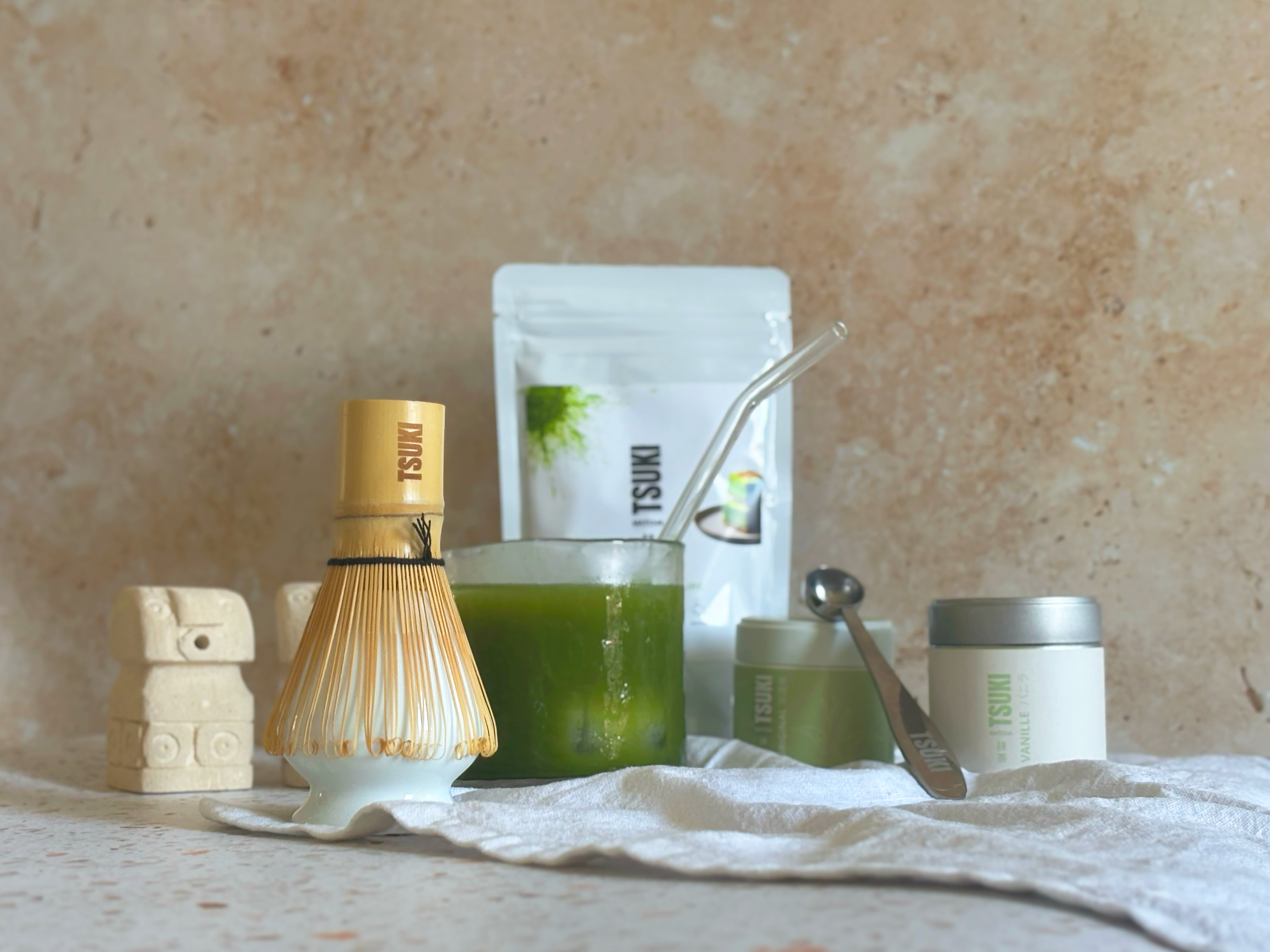

Matcha and hair: benefits, antioxidants and good habits
Matcha is best known as an energizing drink, but its compounds are also beneficial for hair and scalp health. Here's what the green powder can truly do for your hair, how to incorporate it into your routine, and where to draw the line between real effects and marketing promises.
Hair often reflects the body's overall condition. Stress, diet, cellular oxidation, and scalp microcirculation all play a role in hair vitality. Matcha acts on several of these levers thanks to its richness in antioxidants, amino acids, and micronutrients. It's not a miracle cure, but a consistent daily ally for a healthy lifestyle.
Why matcha is good for hair health
Matcha is a powder made from whole green tea leaves, consumed entirely rather than steeped and discarded. This particularity concentrates the active compounds of the leaf, starting with catechins, a family of antioxidants, the most studied of which is EGCG. These same molecules explain the strong antioxidant power of catechins and EGCG.
Oxidative stress damages cells, including those of the hair follicle, the small structure from which each hair grows. By neutralizing some of the free radicals, matcha's antioxidants help protect an environment conducive to healthy growth. This is a foundational action, not forced regrowth.
A cocktail of micronutrients useful for hair
Beyond catechins, matcha provides vitamin C, B vitamins, vitamin E, and minerals like zinc in small quantities. These nutrients participate in keratin synthesis and maintaining a balanced scalp. Matcha also contains chlorophyll, the pigment that gives it its hue, whose effects are part of the chlorophyll richness specific to matcha.
Mechanisms of action on the scalp
Three main avenues explain matcha's interest for hair. They remain complementary to a classic hair routine and a varied diet.
Antioxidant protection of the follicle
The follicle also ages due to oxidation. Catechins help limit this phenomenon, which supports hair vitality over time. This is the same protective principle found for the skin, where matcha's antioxidants protect skin structures against oxidative stress.
Support for microcirculation
Good scalp irrigation provides oxygen and nutrients to the roots. Certain green tea compounds are associated with better local microcirculation, a factor important for nourishing the hair bulb. Topical application of green tea preparations specifically targets this area.
A less inflammatory environment
An irritated, oily, or dandruff-prone scalp provides a less favorable environment for growth. The soothing properties of green tea can help rebalance this condition, in addition to a suitable shampoo. The effect remains moderate and gradual.
Drink matcha or apply it: what to choose
Matcha's benefits for hair come through two channels. Regular consumption acts from within, nourishing the body and reducing overall oxidative stress. Local application directly targets the scalp.
| Method | Main Action | Recommended Frequency |
|---|---|---|
| Drink | Antioxidant and micronutrient intake from within | 1 to 2 cups per day |
| Mask or rinse | Targeted action on the scalp and lengths | Once a week |
Both approaches combine very well. Drinking matcha remains the simplest and most regular way to enjoy it, especially since the ritual is easily integrated into daily life. Matcha chosen for its sweetness, such as natural vanilla matcha or original matcha, is a pleasure to drink morning after morning.

A matcha hair routine, step by step
For homemade topical use, matcha can be prepared as a paste or a rinse. The idea is to let the compounds act for a few minutes on a clean scalp.
Scalp mask
Mix a spoon of matcha with a little lukewarm water or plain yogurt until you get a smooth paste. Apply to a damp scalp, massage gently, leave on for five to ten minutes, then rinse before your usual shampoo. This weekly gesture is sufficient.
Final rinse for lengths
Dilute a small dose of matcha in a large glass of lukewarm water and pour it over the lengths after shampooing. This light rinse provides an antioxidant touch without weighing down the hair fiber. Choose quality matcha, as its fineness prevents clumps and green residue.
For cosmetic use, ceremonial grade is not essential, but a fine, well-preserved powder is still preferable. The same care as for integrating matcha into a beauty routine applies here.
What matcha does not do
It is important to be realistic. Matcha is not a treatment for baldness and does not replace any medical care. In case of significant, sudden, or localized hair loss, dermatological advice is necessary. Matcha is part of a holistic approach, alongside sleep, stress management, and a diet rich in protein and iron.
Its benefit is real but measured. It creates a favorable context, protects against oxidation, and provides useful micronutrients. Visible results require regularity and are judged over several weeks, like most of the benefits associated with the many daily benefits of matcha.
Frequently asked questions
Does drinking matcha make hair grow faster?
Matcha does not force growth. It supports a healthy environment for the follicle thanks to its antioxidants and micronutrients, which promotes vigorous hair over time, without magical acceleration.
How much matcha should you drink to see the effects?
One to two cups a day are sufficient as part of a balanced diet. There's no need to force the doses. Collagen and circulating nutrients benefit the hair fiber, as shown by the link between matcha and collagen production.
Can applying matcha color light hair?
On very light or bleached hair, a concentrated and prolonged rinse can leave a slight green tint. Dilute the powder well, limit the application time, and rinse thoroughly to avoid any residue.
Do you need ceremonial matcha for hair use?
No, a more accessible grade is suitable for a mask or rinse. However, a fine and fresh powder is preferable to avoid clumps and benefit from still active antioxidants.
Is matcha suitable for all hair types?
Yes, in reasonable use. Sensitive scalps can perform a patch test on a small area before a first application, and space out masks if the scalp feels tight.
In summary
Matcha is not a hair potion, but a genuine foundational support. Its antioxidants protect the follicle, its micronutrients nourish the hair fiber, and its daily ritual is effortlessly established. Drunk every morning or applied once a week, it complements a carefully designed hair routine.

To start your ritual, discover the TSUKI matcha collection, origin Japan, and choose the powder that will accompany your mornings.


