
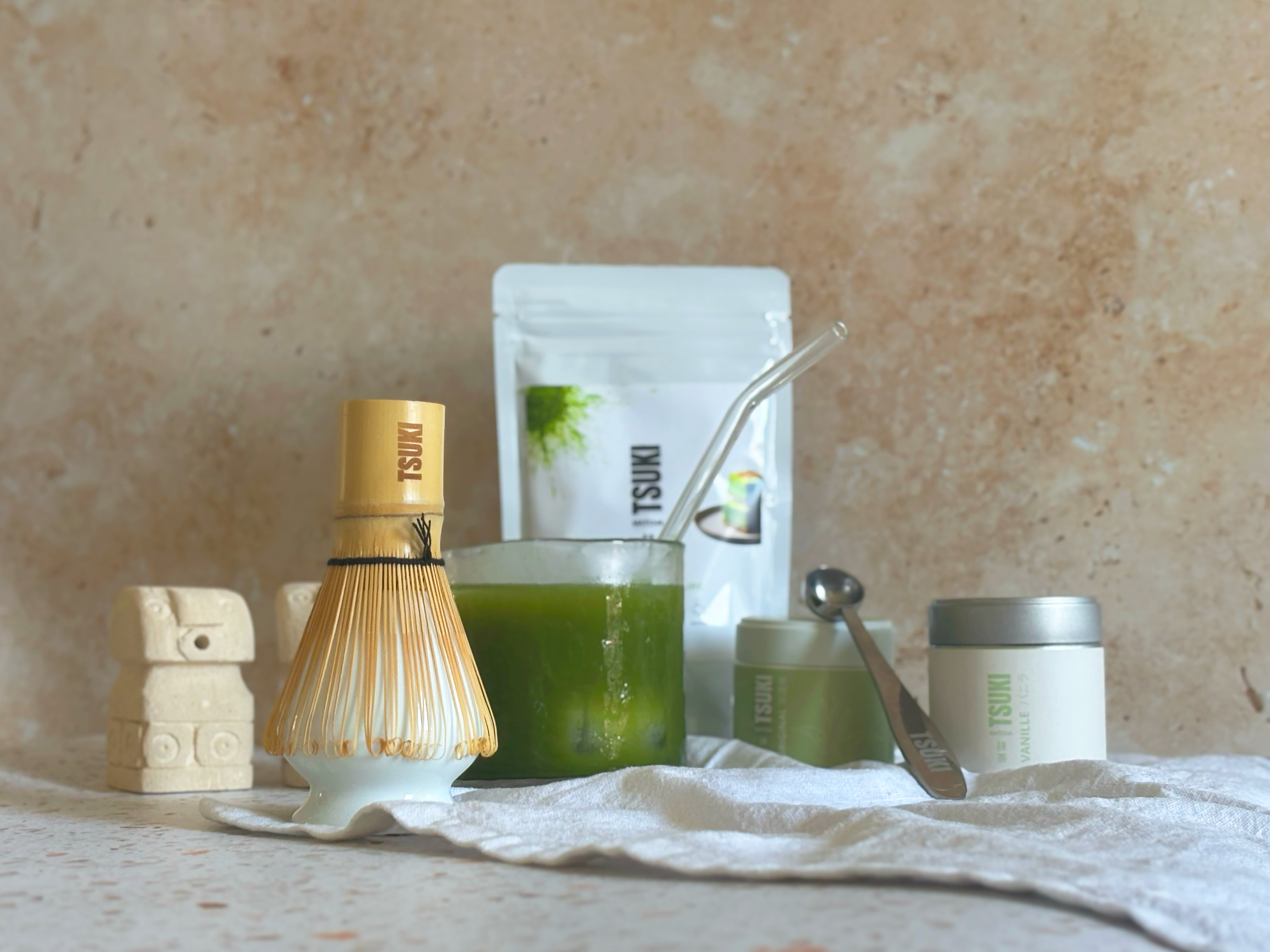

Matcha and children: from what age can they consume it?
Matcha is a family favorite, and it's tempting to offer some to children. Since this green powder contains caffeine, it's best to know the recommended age, reasonable quantities, and simple precautions before giving it to them. Here's a clear and non-alarming overview to help you decide with peace of mind.
Matcha is a healthy and natural drink, rich in antioxidants. But it's not an innocuous herbal tea. The tea leaf contains caffeine, a substance that children's bodies process differently from adults'. The age question is therefore not a minor detail; it's the starting point for any decision.
The good news is that it's not complicated. With a few guidelines on caffeine and quantities, it's entirely possible to integrate matcha into family life without excess or unnecessary worry.
Why Matcha Caffeine Changes Everything for a Child
Matcha contains caffeine, just like coffee or classic tea. In a child, the body is smaller and more sensitive, so the same dose produces a proportionally stronger effect. What goes unnoticed in an adult can be enough to agitate a child or disrupt their sleep.
The amount of caffeine varies depending on the powder dose and how the drink is prepared. A cup of matcha generally contains between 30 and 70 mg of caffeine depending on the dose and grade, which is moderate for an adult but a lot for a young child.
However, matcha has a useful peculiarity. Its caffeine is associated with L-theanine, an amino acid that softens the stimulating effect and makes it more gradual. The energy provided is therefore calmer than that of a soda or coffee, which does not mean you shouldn't monitor quantities for the youngest.
From What Age to Offer Matcha
There is no universal rule, but a principle of caution is generally accepted. Before school age, it is best to avoid caffeinated beverages, including matcha. The sleep and nervous system of a very young child have no need for a stimulant, even a mild one.
From primary school age, a child can taste very light and occasional matcha, provided they stick to very small quantities. The idea is not to make it a daily habit, but to allow a one-off discovery, often in the form of a heavily diluted milk latte.
In adolescence, the body approaches that of an adult and tolerates caffeine better. Matcha then remains a much more interesting option than an energy drink, as long as it is consumed in moderation. In case of doubt, especially for a sensitive or medically monitored child, the advice of a pediatrician remains the best guide.
How Much Matcha for a Child
The logic is simple. The younger the child, the lower the quantity should be, or even none at all. For a child old enough to taste it, we're talking about a fraction of an adult dose, prepared very diluted. The table below provides indicative guidelines, to be adapted according to each child's sensitivity.
| Age | Recommendation | Recommended format |
|---|---|---|
| Under 6 years old | To be avoided | None |
| 6 to 10 years old | Occasional and very light | Heavily diluted latte, small dose |
| 11 to 14 years old | Moderate, not daily | Milk latte, reduced dose |
| 15 years and older | Close to adult use, with moderation | Latte or classic matcha |
These guidelines are by nature cautious. Morning or early afternoon are the best times, never late in the day. To frame the frequency, it's useful to keep in mind what constitutes a reasonable daily consumption of matcha for an adult, then divide it significantly for a child.

How to Prepare Child-Friendly Matcha
The best way to offer matcha to a child is as a latte. By extending a small dose of powder with a lot of milk, you greatly reduce the caffeine concentration while retaining the delicious taste and pretty green color that kids love so much.
A vanilla-flavored or lightly sweetened matcha with honey often goes over better with younger palates, which are still sensitive to the tea's natural bitterness. You can also opt for a mild plant-based milk like oat milk, which adds a creamy texture that is much appreciated. The goal is to keep it a pleasant and gentle drink, without overdoing the amount of powder.
The choice of matcha also matters. A quality powder with a mild taste and no aggressive bitterness makes the experience much more enjoyable for a child. A premium matcha with a round and vegetal profile avoids the overly harsh notes that put off younger children.
Precautions to Keep in Mind
Some situations require particular vigilance. A child who sleeps poorly, is easily agitated, or is on medication is not a good candidate for caffeine, even in small amounts. In these cases, it's better to refrain or seek advice.
You also need to consider the rest of the day. A child may already consume caffeine without it being noticed, through chocolate, certain sodas, or iced drinks. Adding matcha on top can quickly increase the total, and knowing the possible side effects of matcha helps stay in a comfortable zone.
Finally, matcha never replaces water, which remains the reference beverage for children. Seen as an occasional small discovery rather than a routine, it naturally finds its rightful place without creating dependence or excess.
Frequently Asked Questions About Matcha and Children
Can a 5-year-old drink matcha?
It is preferable to wait. Before school age, avoid drinks containing caffeine, including matcha. The nervous system and sleep of a young child have no need for a stimulant.
Does matcha prevent children from sleeping?
This can happen if the dose is too high or the drink is consumed too late. By sticking to a small, very diluted amount consumed in the morning, the risk to sleep remains low.
Is matcha better than soda for a teenager?
Yes, well-prepared matcha provides antioxidants and more stable energy, without the added sugars of an energy drink. In adolescence, it's a much more interesting alternative, provided it's consumed in moderation.
Can children be given decaffeinated matcha latte?
True matcha always contains caffeine, as it is naturally present in the tea leaf. For a caffeine-free version, it's better to turn to other hot drinks suitable for children.
What's the best way to introduce matcha to a child?
The latte remains the ideal solution. A very small dose of powder, plenty of mild milk, and a hint of vanilla or honey make for a delicious drink that's easy to enjoy from the first sip.
Matcha in the Family, with Moderation
Matcha can certainly be part of shared family pleasures, provided you respect children's pace and their sensitivity to caffeine. The rule is simple: wait for the right age, stick to small quantities, and prefer a mild, well-diluted latte.
By keeping these simple guidelines in mind, matcha becomes a convivial moment rather than a source of worry. It beautifully accompanies a snack or a quiet moment, while remaining an occasional discovery and not a daily habit.

To prepare mild lattes that the whole family will appreciate, discover our collection of premium Japanese origin matcha and choose a powder with a round and pleasant taste.


