

Ready-to-drink matcha latte: what you're really paying for versus powder
Ready-to-drink matcha lattes are appealing for their simplicity, but what are you really paying for in a can or RTD bottle? Between cost per serving, amount of actual matcha, and taste quality, comparing them to powder might reveal some surprises. Here's how to get a clear picture before you choose.
Supermarket aisles and vending machines are now stocked with ready-to-drink matcha lattes. The ready-to-drink (RTD) format promises effortless matcha: just open and drink. Convenient, but the price tag hides a reality worth examining.
To honestly compare cans and powder, you need to look at three things: the actual cost per serving, the amount of matcha truly present, and the resulting taste in your cup. On these three fronts, the gap is wider than you might imagine.
What's really in a ready-to-drink matcha latte
An RTD beverage isn't just diluted matcha. It's a recipe designed to last several weeks on the shelf, which requires specific formulation choices.
The matcha content in the bottle
Many ready-to-drink matcha lattes contain a small dose of powder, sometimes supplemented with green tea flavorings. The vibrant color comes as much from recipe adjustments as from the matcha itself. As a result, the concentration of real matcha often remains modest compared to a bowl prepared at home.
Sugars and preservatives
To remain stable and pleasant when cold, an RTD beverage frequently contains sugar, standardized plant-based milk, and stabilizers. One serving can quickly exceed what you would add yourself. Checking the sugar content on the back of the label is a useful habit, especially when comparing it to a homemade latte where you control everything.
The true cost per serving
This is where the gap widens. A can often costs the same as a bought coffee, whereas a serving of powder only costs a few cents for the matcha. This difference ties into the broader question of what truly determines the price of good matcha, between raw materials and packaging.
Ready-to-drink matcha latte vs. powder: the comparison
To decide, we need to compare the two formats side-by-side on the criteria that matter daily.
| Criterion | Ready-to-drink matcha latte | Matcha powder |
|---|---|---|
| Cost per serving | High, similar to a purchased coffee | Low, a few tens of cents |
| Sugar control | Imposed by the recipe | Total, you control the dosage |
| Matcha freshness | Prepared weeks ago | Whisked at the moment |
| Convenience | Maximum, on-the-go | Two minutes of preparation |
| Taste | Standardized, often sweet | Fine, vegetal, adjustable |
RTD wins on sheer convenience alone. As soon as you look at cost, freshness, and ingredient control, powder gains the upper hand. The same reasoning applies when comparing a chain latte to its homemade version, as for a big-brand matcha latte and its homemade recipe.
When ready-to-drink makes sense
RTD isn't to be banned. It meets a real need in certain situations, provided you know what you're buying.
On-the-go uses
When traveling, or without access to a whisk and hot water, a ready-to-drink beverage is an effective fallback. It's a convenience purchase, just like a take-out coffee.
Taste discovery
For a first approach, a can might give an idea of the sweet-vegetal profile. But it doesn't reflect what matcha truly offers. Understanding what's involved in a real matcha drink helps avoid judging the category by a single industrial bottle.
Better than RTD, with almost no effort
The good news is that a homemade latte can rival an RTD in two minutes, for a fraction of the price and a significantly superior taste.
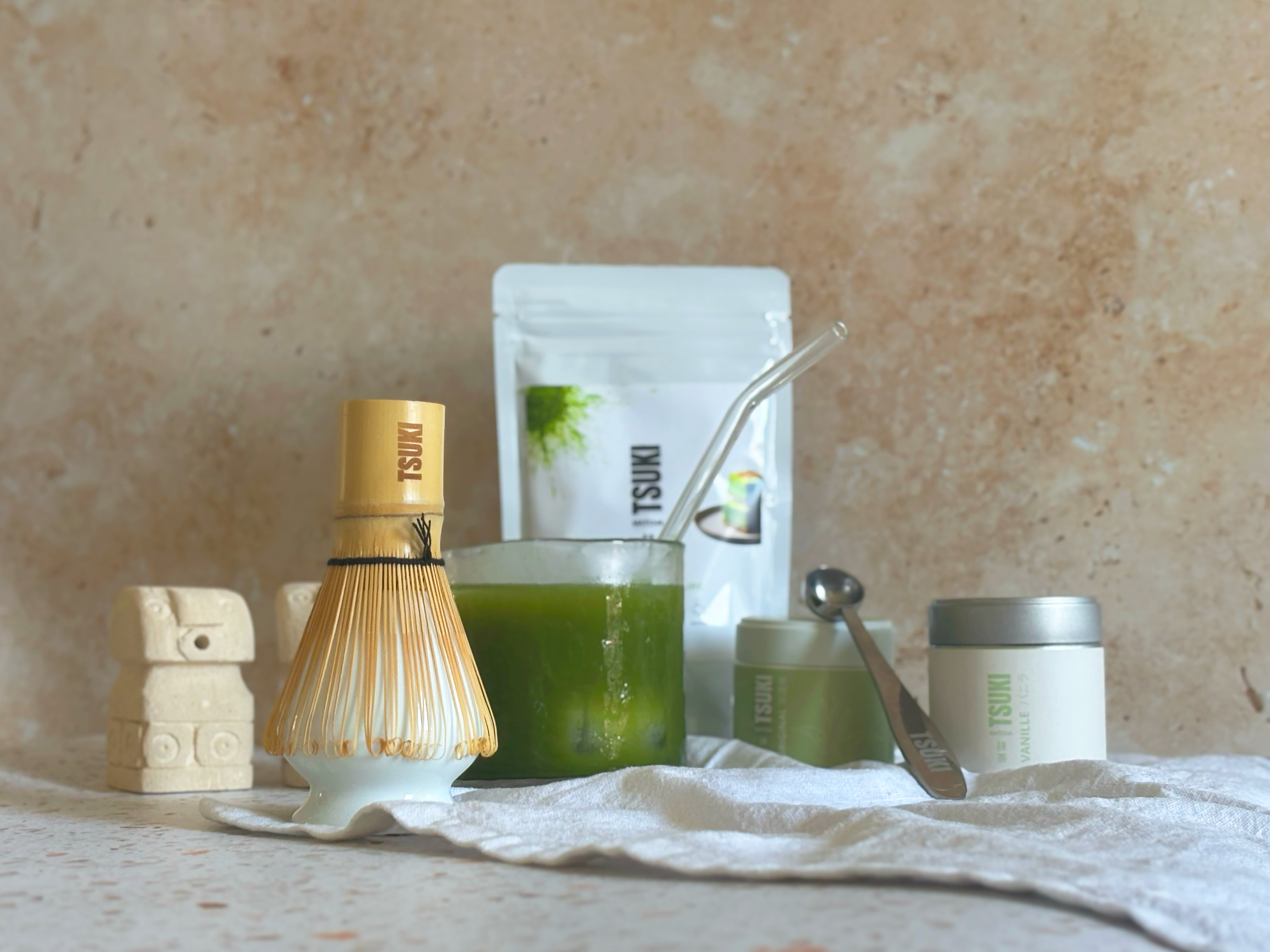
All you need is a little powder, hot (but not boiling) water, a whisk, and your choice of milk. You control the sugar, strength, and texture. In the long run, a jar of powder replaces dozens of cans while costing less, which also explains why good matcha is worth its price rather than being diluted in an industrial format.
For those still hesitant about which powder to choose, guidelines for good matcha by grade and origin prevent unpleasant surprises and guarantee a top-notch latte.
Frequently asked questions about ready-to-drink matcha lattes
Is ready-to-drink matcha latte good quality?
It depends on the brand, but most contain little matcha and a lot of sugar. Freshness is also limited, as the drink is prepared several weeks before being consumed.
Is it cheaper than powder?
No. Per serving, a can often costs the price of a coffee, while a dose of powder costs only a few cents for the matcha. Powder is much more economical in the long run.
How much matcha is really in an RTD bottle?
Often a small dose, sometimes supplemented with green tea flavors. The concentration is generally lower than in a bowl prepared at home.
Does ready-to-drink contain a lot of sugar?
Frequently, yes, because sugar stabilizes the taste and masks bitterness. Checking the label is the best way to compare with a homemade latte, where you control everything yourself.
Can you make a homemade latte that's just as convenient?
Almost. A homemade latte takes two minutes with powder, a whisk, and milk. Prepared in advance and kept cold, it becomes a personal ready-to-drink, cheaper and fresher.
 Want to switch to fresh matcha that you measure yourself? Discover our ceremonial and culinary matchas in the TSUKI matcha collection.


