
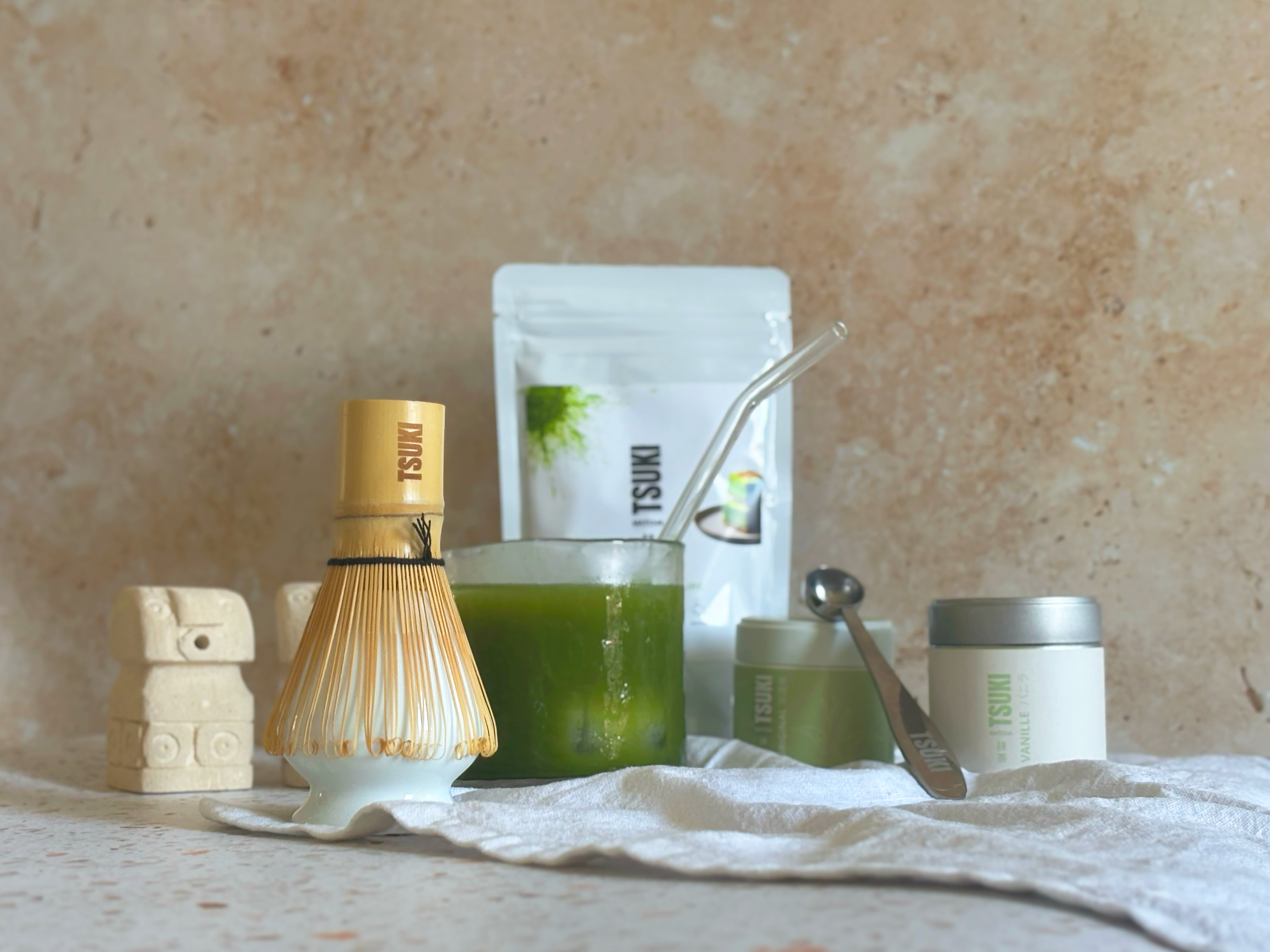

Why will matcha become more expensive in 2026?
The price of matcha is soaring, and it's no accident. Between tencha shortages, explosive global demand, and climate-脆弱 harvests, 2026 marks a turning point. Here's what's really happening and how to continue buying good matcha at a fair price.
Since the end of 2024, the matcha market has experienced unprecedented strain. Enthusiasts are noticing it in stores: prices are rising, some products are out of stock, and Japanese producers are talking about the first real shortage in their history. Understanding the causes helps in making the right choices without being misled.
A very real price increase
The figures speak for themselves. In 2026, matcha prices increased by 30 to 60% depending on quality. In the wholesale market, raw tencha, the shade-grown tea leaf used to make matcha, reached record highs at auction, with levels nearly double those of 2025.
This surge mainly affects ceremonial matcha, which is the most demanding to produce. To better understand what this increase represents, it is useful to keep in mind the benchmarks from an article dedicated to the price of good matcha and what justifies it, in order to distinguish a legitimate increase from simple opportunism.
Causes of the matcha shortage
Several factors are combining to strain the market. None of them fully explains the situation alone, but their combined effect creates sustained pressure on supply.
| Factor | Effect on price |
|---|---|
| Global demand | Green tea exports sharply up, value almost doubled |
| Climate | Extreme heat, 2025 harvest reduced by 15 to 30% in some areas |
| Aging farming population | Tens of thousands of producers have retired |
| Production time | 4 to 7 years for a new field to yield quality matcha |
Demand has literally exploded, driven by the popularity of matcha in cafes and on social media. At the same time, supply cannot keep up at the same pace, as a tea plant takes several years to produce leaves worthy of matcha. This scarcity highlights the importance of knowing how to recognize true Japanese matcha so as not to pay a high price for a mediocre product.

The risk of cheap fake matchas
When prices rise, counterfeits multiply. Powders are appearing, sold as matcha, when they are actually coarsely ground green tea, sometimes blended or colored. These products take advantage of the confusion to ride the trend at a lower cost.
An abnormally low price should raise a red flag, especially during a shortage. Referring to the criteria for an authentic and well-chosen ceremonial matcha remains the best protection against these imitations that pass themselves off as high-end.
How to buy matcha well despite the increase
The increase doesn't mean giving up matcha, but rather buying smarter. Prioritize transparency on origin, aim for the right quantity rather than unnecessary stock, and accept that true ceremonial matcha has a cost consistent with its rarity.
Comparing reputable offers is still possible, and an overview of the best matcha in 2026 and criteria for choosing well helps identify good value for money. Better a slightly more expensive honest matcha than a dubious powdered bargain.
Frequently Asked Questions
How much has the price of matcha increased in 2026?
Depending on quality, the increase is between 30 and 60%. Ceremonial matcha, the most difficult to produce, is most affected by this increase.
Will the matcha shortage last?
Probably for a while longer, as increasing supply takes years. A new tea field takes several seasons before producing matcha-quality leaves.
Why is ceremonial matcha the most expensive?
It requires young leaves, long-shaded and carefully harvested. This requirement, combined with the tencha shortage, explains its higher price.
Is cheap matcha necessarily bad?
Not always, but during a shortage, a very low price is suspicious. It might hide a low-quality tea or a powder that is not real matcha.
Should I stock up on matcha to anticipate the increase?
It is not recommended, as matcha does not store well and loses its freshness. It is better to buy reasonable quantities and consume it quickly.
A strained market, but choices still possible
Matcha costs more in 2026 for real underlying reasons, including shortage, climate, and global demand. Rather than falling for false bargains, it's better to focus on origin, quality, and transparency to continue enjoying authentic matcha.

Looking for honest matcha, sourced from Japan and carefully selected despite the shortage? Discover our collection of premium matchas sourced from Japan.


