

Gyokuro: Origin, Benefits, and Comparison with Matcha
Nicknamed the king of Japanese green teas, gyokuro shares with matcha the same shading technique that gives it a deep umami and a gentle energy. Here's everything you need to know about its origin, benefits, preparation, and what truly sets it apart from matcha.
Gyokuro is as fascinating as it is intimidating. It is one of the finest and most sought-after green teas in the world, produced in very small quantities in Japan. Its name means precious dew, an image that perfectly summarizes its rarity and delicacy. For those who already love matcha, discovering it is like exploring a close cousin, born from the same expertise but served very differently.
What is gyokuro?
Gyokuro is a Japanese shade-grown green tea, cultivated away from direct sunlight for about three weeks before harvest. Nearly ninety percent of the light is blocked by shading cloths placed over the tea plants. This deprivation of light is at the heart of its identity.
This tea remains confidential. It represents only a tiny fraction of Japanese production, about half a percent, or only a few hundred tons per year. This rarity, combined with demanding agricultural work, explains its high price and its status as an exceptional tea in the Japanese hierarchy.
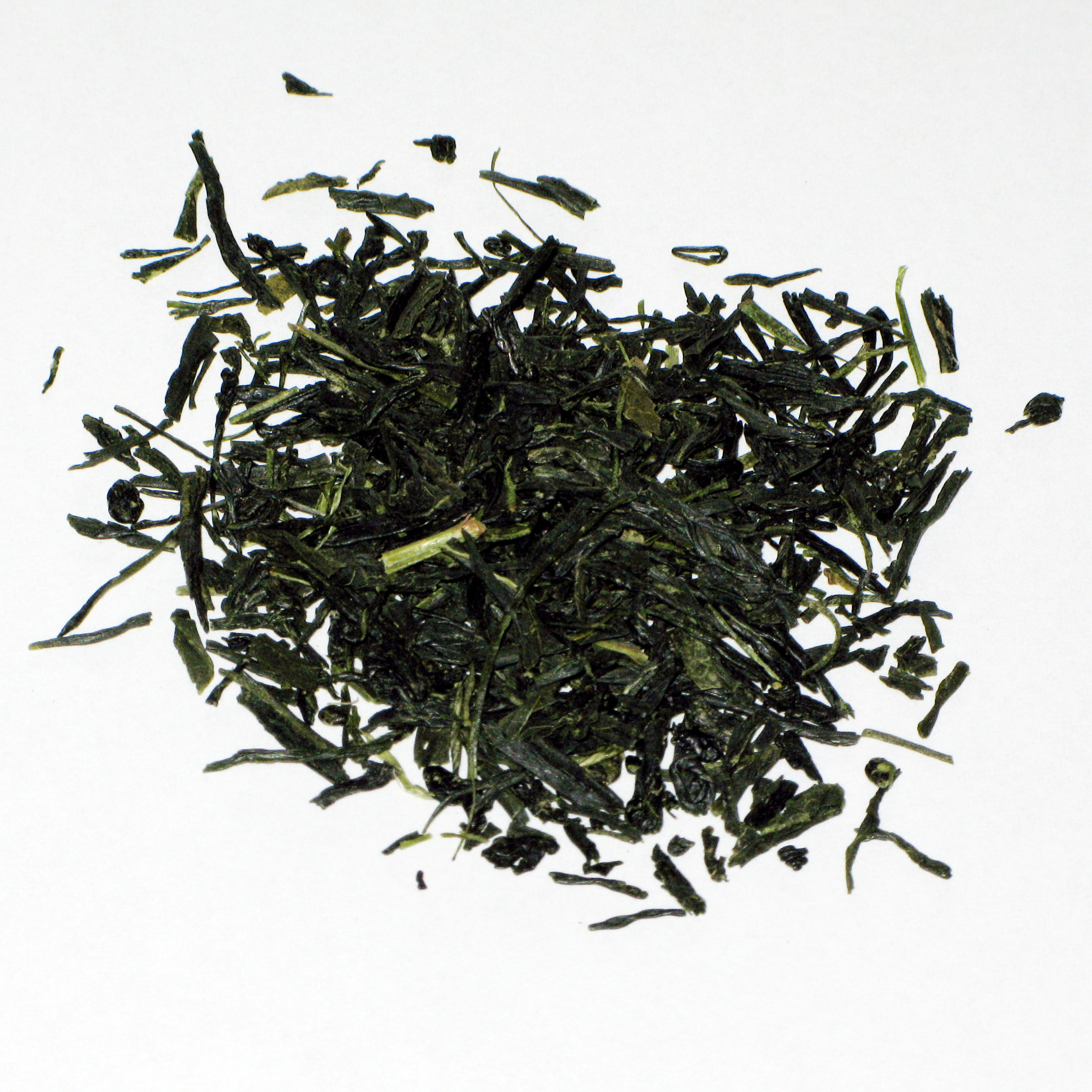
Unlike powdered matcha, gyokuro comes in whole, rolled leaves, dark and shiny green. It is steeped like a classic tea, but with precise gestures that make all the difference to the result in the cup.
Shading, a shared expertise with matcha
The magic of gyokuro lies in what shading does to the leaf. Under the sun, the tea plant naturally converts L-theanine into catechins, compounds responsible for astringency and bitterness. By depriving the plant of light, this conversion is greatly slowed down.
As a result, the leaves retain a high concentration of L-theanine, an amino acid that provides sweetness, roundness, and umami, while reducing their bitterness. They also develop more chlorophyll, hence their intense green color, and concentrate caffeine.
It is precisely the same shading principle that prepares the leaves destined for matcha. This technical kinship explains why gyokuro and matcha taste so similar, with that famous marine umami. Exploring the family of Japanese green teas from sencha to matcha helps to place gyokuro in this universe, somewhere between infused leaf and powder.
The benefits of gyokuro
Gyokuro's primary asset is its soothing profile. Its richness in L-theanine, combined with caffeine, creates a unique state of relaxed alertness. One feels present and focused, without the jitters that coffee can cause. This is the same synergy that makes matcha so successful.
Its high content of chlorophyll and antioxidants also makes it a popular beverage in a wellness routine. Like all the benefits of green tea and its difference from matcha, those of gyokuro stem from this combination of amino acids, gentle caffeine, and protective compounds.
However, moderation is key. Gyokuro remains a caffeinated tea, best consumed during the day rather than in the evening. As with any exceptional green tea, the quality of the leaf and the precision of the preparation are as important as the quantity.

How to prepare gyokuro?
Gyokuro is prepared at a low temperature, which distinguishes it from most teas. The water should be around fifty to sixty degrees Celsius, much cooler than the usual seventy to eighty degrees for a classic green tea.
This lukewarm water is the key. It extracts the umami and sweetness from the leaf without releasing astringency. A short infusion, one to two minutes, is sufficient for the first cup. Gyokuro leaves can then be re-infused several times, slightly increasing the temperature with each pass.
The process requires a little patience, but it rewards attention. While matcha is whisked in two minutes, gyokuro invites one to slow down and observe. This deliberate slowness is also what brings these two teas closer to the same Japanese art of living, made of presence and care.
Gyokuro vs. Matcha: a comparison
Gyokuro and matcha are born from the same shading process, but then diverge. Gyokuro is a whole leaf that is steeped and then removed. Matcha is a powder that is consumed entirely, which concentrates its nutrients more in the cup.
| Criterion | Gyokuro | Matcha |
|---|---|---|
| Form | Whole rolled leaves | Fine powder |
| Consumption | Steeped then filtered | Whole leaf ingested |
| Shading | Approximately 3 weeks | Comparable |
| Water temperature | 50 to 60 °C | 70 to 80 °C |
| Taste profile | Gentle umami, very rounded | Intense umami, vegetal |
| Use | Slow tasting | Quick ritual, latte, cooking |
Neither is superior to the other; they cater to different desires. Gyokuro appeals to those who enjoy slow tasting and subtlety. Matcha is suitable for those who want a versatile drink, equally good in a cup, latte, or baked goods. To choose according to your mood, comparing green tea, hojicha, matcha, and chai according to your desires provides good benchmarks.
Where does gyokuro fit among Japanese teas?
Gyokuro sits at the top of the pyramid of infused Japanese green teas. Below it, you'll find sencha, which is more common and grown in full sun, followed by roasted or blended teas with a more rustic profile.
Among these alternatives, roasted hojicha with grilled, non-bitter notes offers a radically opposite profile, ideal for the evening. Genmaicha with roasted rice and its comforting flavor represents another, gentler entry point into Japanese teas.
Placing gyokuro within this family helps to understand its place. It is the tea of slowness and refinement, reserved for moments when you truly want to savor it. Matcha, on the other hand, remains a daily companion, ready in a few seconds.
Frequently Asked Questions
Does gyokuro contain caffeine?
Yes, and a significant amount, because shading concentrates caffeine in the leaf. However, it is always accompanied by L-theanine, which softens its effect and provides that characteristic relaxed alertness.
Does gyokuro taste the same as matcha?
They share a marine umami due to shading, but gyokuro is lighter and more fluid in the mouth, while matcha is denser and more vegetal because the entire leaf is consumed.
Can you drink gyokuro every day?
Yes, during the day and in moderation, like any caffeinated tea. One to two cups are suitable for most people, preferably not late in the evening.
Why prepare gyokuro at a low temperature?
Lukewarm water extracts sweetness and umami without releasing astringency. Water that is too hot would make the tea bitter and erase its delicacy, which is precisely its raison d'être.
Should I choose gyokuro or matcha?
The two complement each other. Gyokuro for slow tasting, matcha for a versatile and quick drink. Many Japanese tea lovers enjoy alternating between them depending on the moment.
In summary
Gyokuro is an exceptional green tea, born from the same shading as matcha and carrying the same soothing umami. It is distinguished by its leaf form, its low-temperature preparation, and its invitation to slowness. Matcha remains more versatile and concentrated, but both tell the same story of Japanese craftsmanship.

To begin or deepen your daily ritual in this universe, a quality Japanese green tea makes all the difference. To compose your ritual, discover the TSUKI premium matcha collection, sourced in Japan and stone-ground.


