

Kabusecha: Origin, Benefits, and Comparison with Matcha
Kabusecha is a shaded Japanese green tea, halfway between sencha and gyokuro. Less known in France, it shares with matcha the same manufacturing secret: shade cultivation. Here is its origin, its benefits, its preparation, and what truly distinguishes it from matcha.
Kabusecha remains discreet on French shelves, while it holds a respected place in Japanese tea culture. Its name comes from the Japanese verb kabuseru, which means to cover. This shading technique, applied a few weeks before harvest, profoundly changes the taste and composition of the leaf. This is also what creates a direct link between this tea and matcha.
Understanding kabusecha helps to better position the family of Japanese green teas and to choose the drink that truly matches your current desires.
What is kabusecha?
Kabusecha is a Japanese green tea made from Camellia sinensis plants covered with a net for one to two weeks before harvesting. This shorter shading period places it between sencha, grown in full sun, and gyokuro, shaded longer and more intensely.
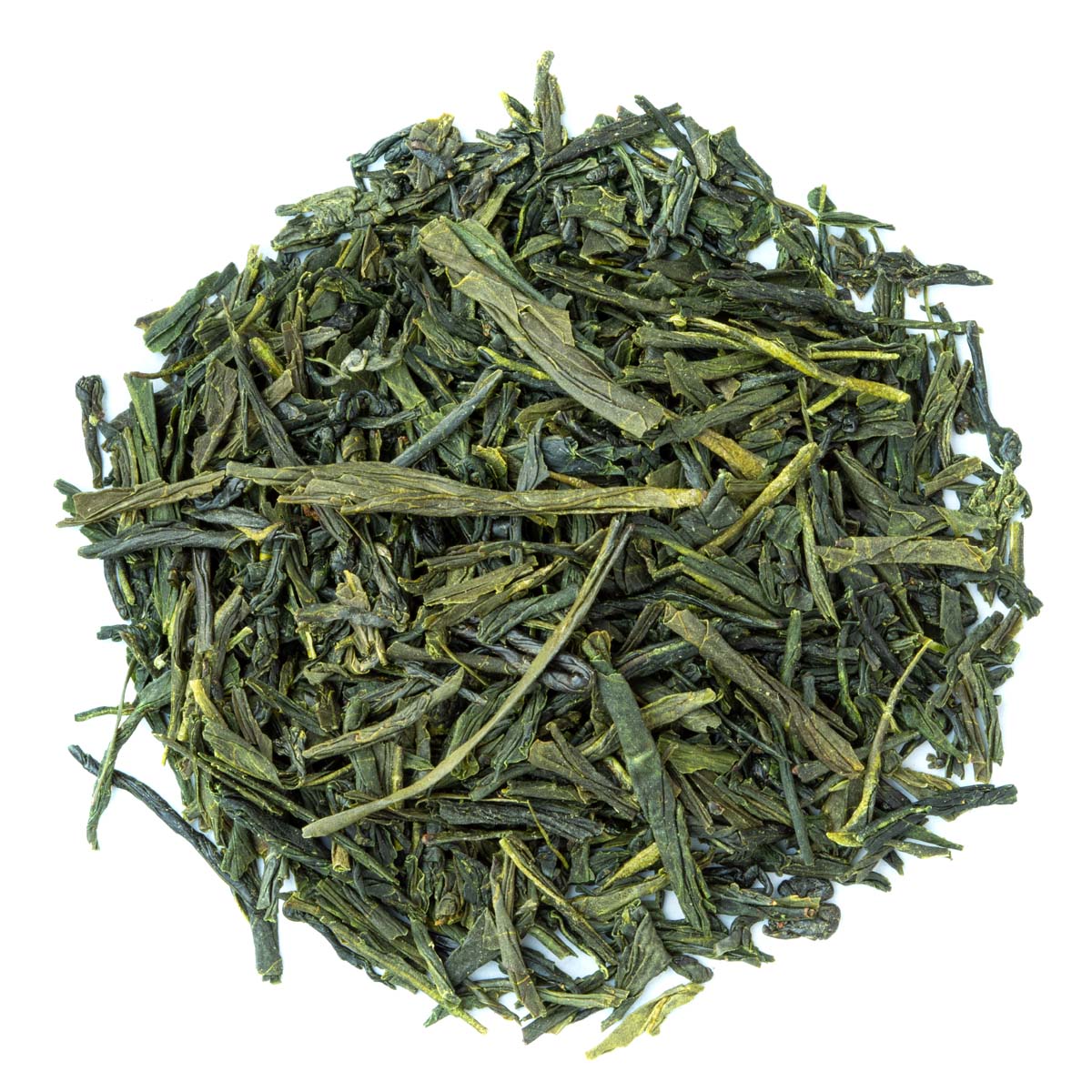
The principle is simple. By partially depriving the plant of light, photosynthesis slows down. The leaf then produces more chlorophyll and retains a higher concentration of amino acids, especially L-theanine. The result is a smoother, more vegetal cup, marked by umami, that deep, savory flavor typical of shaded teas.
This same act of shade cultivation is at the heart of matcha production, which explains why kabusecha sometimes approaches the sweetness of a good Japanese ceremonial matcha while remaining a loose leaf tea to steep.
Origin and production of kabusecha
Kabusecha is mainly produced in the Mie region, as well as in other areas renowned for Japanese green teas. It represents a modest part of national production, which explains its relative rarity for export. In Japan, it is appreciated by connoisseurs who seek a balance between the richness of gyokuro and the vivacity of sencha.
Cultivation follows a precise calendar. When young shoots appear in spring, producers install a net over the tea bushes. Unlike gyokuro, which can be shaded for up to three weeks with a very high light blockage, kabusecha often uses only a single net and achieves about fifty percent shading.
After harvesting, processing is similar to that of sencha. The leaves are steamed to stop oxidation, then rolled and dried according to traditional methods. It is this steaming step that gives Japanese green teas their vibrant color and marine notes, a signature found throughout the Japanese tea time, from sencha to matcha.
The taste of kabusecha
Kabusecha offers a balanced profile. It combines the buttery sweetness and umami inherited from shading with a hint of vegetal freshness and a slight astringency reminiscent of sencha. The cup is less intense than a gyokuro, but rounder than a classic sencha.
One finds notes of fresh grass, sometimes a hint of iodine, and a pleasant length on the palate without excessive bitterness. It is an accessible tea for those discovering Japanese green teas, as it does not present the disconcerting power that some feel on first contact.
This search for balance between sweetness and vivacity is also what is appealing about matcha. Those who enjoy exploring the vegetal flavors of Japan often appreciate switching from a umami-rich gyokuro to a lighter kabusecha depending on the time of day.
The benefits of kabusecha
Like all Japanese green teas, kabusecha is rich in compounds beneficial for daily well-being. Shade cultivation enhances some of these, bringing it closer to the profile of matcha.
Its high L-theanine content promotes a state of calm alertness. This amino acid, preserved by shading, acts synergistically with the caffeine in tea to provide stable energy, without the nervous peak often associated with coffee. This is the same mechanism appreciated by matcha drinkers who seek concentration without agitation.
Kabusecha also provides antioxidants, particularly catechins, as well as a good amount of chlorophyll due to its deep color. It remains low in calories and easily integrates into a hydrating daily routine. As with any caffeinated beverage, it is advisable to monitor consumption at the end of the day if you are sensitive.
How to prepare kabusecha
Preparing kabusecha requires a gentle touch to reveal its umami without bringing out bitterness. The rule is simple: water not too hot and a short infusion.
| Parameter | Recommendation |
|---|---|
| Tea quantity | Approximately 5 g for 150 ml |
| Water temperature | 60 to 70 degrees Celsius |
| Infusion time | 60 to 90 seconds |
| Successive infusions | 2 to 3 times, slightly increasing the temperature |
Water that is too hot burns the delicate leaves and releases too many tannins. By staying around 60 to 70 degrees, the sweetness and umami are highlighted. Kabusecha leaves handle multiple infusions well, each revealing a slightly different character.
The logic remains similar to other Japanese loose-leaf teas. Those who enjoy adjusting their cup to their mood often switch from this tea to a brighter sencha in the morning, before returning to matcha mid-morning.
Kabusecha or matcha: what are the differences?
Kabusecha and matcha share a common origin, shade cultivation, but they are two different beverages in their form, preparation, and intensity.
| Criterion | Kabusecha | Matcha |
|---|---|---|
| Form | Rolled leaves for infusion | Fine powder to whisk |
| Shading | Approximately 1 to 2 weeks | Approximately 3 to 4 weeks |
| Leaf consumption | Leaves infused then removed | Entire leaf ingested |
| Intensity | Mild and balanced | Concentrated and vegetal |
| Antioxidant intake | High via infusion | Very high as whole leaf |
The main difference lies in the consumption of the leaf. With kabusecha, you infuse and then remove the leaves, which extracts some of the compounds. With matcha, you drink the entire suspended powder, which provides more antioxidants, fiber, and caffeine per cup. This particularity makes matcha the most concentrated beverage in the shaded tea family.
The two complement each other very well. Kabusecha is perfect for a calm moment where you take the time to infuse, while the powder offers a more intense ritual and a precise gesture. For those who truly want to grasp what distinguishes infused leaf from whisked powder, directly comparing classic green tea and matcha quickly clarifies the subject.

When to choose kabusecha
Kabusecha finds its place at different times of the day. Its mildness makes it an excellent mid-morning or early afternoon tea, when you are looking for a comforting drink without excessive strength.
It also appeals to people who are new to Japanese green teas and want an accessible first experience before moving on to more robust profiles. Its balance forgives small preparation inaccuracies, which reassures new enthusiasts.
To build a complete ritual, many like to alternate between several teas according to their desires and the energy sought. Choosing the right drink for each moment becomes simpler when you know the main families, from green tea to hojicha, matcha and chai.
Frequently asked questions about kabusecha
Does kabusecha contain caffeine?
Yes, like all teas from Camellia sinensis, kabusecha contains caffeine. Its content remains moderate and its association with L-theanine offers a gentle and stable energy, very different from the effect of coffee.
Is kabusecha better than matcha?
Neither is superior; they cater to different desires. Kabusecha is a mild, easy-to-brew loose-leaf tea, while matcha is a more concentrated powder that provides more antioxidants per cup since the entire leaf is consumed.
What water temperature for kabusecha?
Water between 60 and 70 degrees Celsius is ideal. It reveals sweetness and umami while avoiding the bitterness that boiling water would bring out in these delicate leaves.
Can kabusecha leaves be re-infused?
Yes, the leaves can be infused two to three times. Each infusion reveals a slightly different character, with a slight increase in temperature from one infusion to the next.
What is the difference between kabusecha and gyokuro?
Gyokuro is shaded longer and more intensely, resulting in a tea very rich in umami and sweetness. Kabusecha, shaded for a shorter period, retains a hint of freshness and astringency that makes it lighter and more versatile.
In summary
Kabusecha is a shaded Japanese green tea that embodies balance. Between the richness of gyokuro and the vibrancy of sencha, it offers a soft, vegetal, and umami-rich cup, while sharing with matcha the same secret of shade cultivation. It is a beautiful gateway to the world of Japanese teas.
For those who want to fully explore this logic of shade and rediscover the most concentrated form of this art, the powder remains incomparable.

Want to taste the most intense form of Japanese shaded teas? Discover our collection of ceremonial matchas sourced in Japan and stone-ground.


