

Oolong Tea (Blue Tea): Origin, Benefits, and Comparison with Matcha
Oolong tea, also known as blue tea, is halfway between green tea and black tea. Semi-oxidized, it develops a unique range of aromas and a gentle caffeine kick. Here's its origin, benefits, preparation, and a complete comparison with matcha to help you choose the tea that suits you best.
Between unoxidized green tea and fully oxidized black tea, oolong tea holds a special place. Its partial oxidation gives it a rare aromatic richness, ranging from floral and light notes to woody and gourmand ones. It's a tea that appeals to both discovery lovers and those seeking a balanced daily drink.
Matcha, on the other hand, follows a different logic. It's a powder of whole leaves, whisked in water, offering incomparable intensity and nutrient concentration. Understanding what distinguishes these two teas helps in making an informed choice.
What is Oolong Tea?
Oolong tea, or wulong, is a semi-oxidized tea made from Camellia sinensis, the same plant as green tea, black tea, and matcha. What defines it is its intermediate oxidation level, which can range from 10% to 70%.
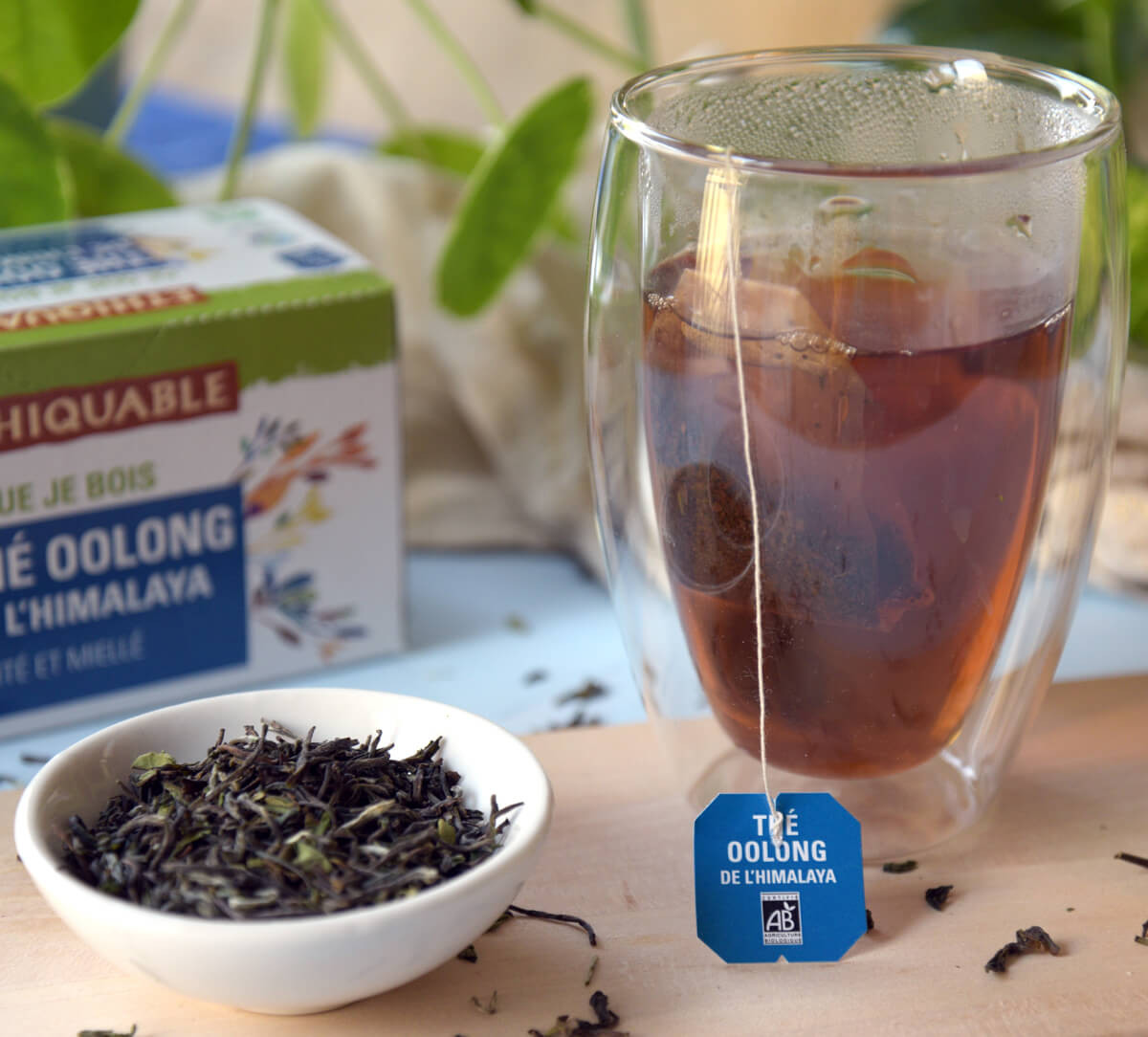
This range explains why there isn't just one oolong but a multitude of profiles. A lightly oxidized oolong remains close to green tea, with floral and vegetal notes. A heavily oxidized oolong approaches black tea, with woody, toasted, or fruity notes.
The name blue tea comes from the dark, sometimes blue-green, hue that some oxidized leaves take on. It's a poetic name rather than an official category. This diversity is part of the tea family, from green tea to matcha, passing through hojicha and chai, depending on your preferences.
The Origin of Oolong Tea
Oolong tea originated in China, mainly in the provinces of Fujian and Guangdong. The Anxi region in Fujian remains one of the historical birthplaces of its production.
Over time, its expertise spread to other Asian territories. Taiwan has established itself as a global reference, with high-mountain oolongs renowned for their finesse. The altitude, geography, and climate of each plantation directly influence the final taste.
Matcha follows a different trajectory. Imported from China to Japan in the 12th century, it was perfected there to become an art form. Today, major producing regions like Shizuoka and Kagoshima cultivate leaves specifically for matcha using highly codified methods.
How is Oolong Tea Made?
The signature of oolong tea lies entirely in its controlled oxidation. After harvesting, the leaves are withered in the sun, then bruised and left to oxidize for a precise amount of time. The producer then stops the oxidation with heat, exactly at the desired level.
It is this control of the oxidation level that creates the diversity of oolongs. The shorter the oxidation, the more vegetal freshness the tea retains. The longer it is, the warmer and deeper the aromas become.
Matcha relies on a radically opposite process. The leaves are shaded for several weeks before harvest, then dried without oxidation to become tencha, before being ground into a fine powder with a stone mill. One does not drink an infusion; one consumes the entire leaf. This difference in process explains why the two teas have neither the same taste nor the same uses, a logic similar to the one that separates oxidized black tea from matcha.
The Benefits of Oolong Tea
Like other teas from Camellia sinensis, oolong tea is rich in compounds beneficial to the body. Its profile, once again, lies between that of green tea and black tea.
A Source of Antioxidants
Oolong tea contains polyphenols, natural antioxidants that help fight oxidative stress. Its content is slightly lower than that of green tea, but the difference remains modest from a nutritional standpoint. Both teas provide real antioxidant benefits.
Support for Metabolism
Several studies suggest that oolong tea can slightly increase energy expenditure and promote fat oxidation. These effects remain moderate and are part of an overall healthy lifestyle, without promising miraculous weight loss.
Caffeine Softened by L-Theanine
Oolong tea provides a moderate amount of caffeine. As in all teas, it is accompanied by L-theanine, an amino acid that tempers its effect and promotes more stable energy than coffee. This combination is reminiscent of the benefits of green tea and its difference from matcha, where matcha pushes this synergy even further thanks to the whole leaf.
Oolong Tea or Matcha: The Comparison
To clarify, here are the main differences between oolong tea and matcha, from processing to taste and caffeine content.
| Criterion | Oolong Tea | Matcha |
|---|---|---|
| Oxidation | Semi-oxidized (10 to 70%) | Unoxidized |
| Main Origin | China, Taiwan | Japan |
| Consumption | Infused leaves | Whisked powder, whole leaf |
| Taste | Floral to woody depending on oxidation | Vegetal, umami, creamy |
| Caffeine | Moderate | High (whole leaf) |
| Preparation | Infusion, multiple steepings | Bamboo whisk, 80 °C water |
Oolong tea shines with its aromatic versatility and measured caffeine. Matcha stands out for its intensity, nutrient concentration, and preparation ritual. Two different approaches, each with its strengths.
How to Prepare Oolong Tea?
Oolong tea lends itself to simple preparation as well as more refined infusions. For a classic cup, count about 3 to 5 grams of leaves for 20 centiliters of water at 85 or 90 degrees Celsius, with an infusion time of one to three minutes depending on the desired intensity.
One of the pleasures of oolong tea is that it can withstand several successive infusions. The leaves reveal themselves differently with each steeping, offering a palette that evolves from cup to cup. It's an invitation to take your time.
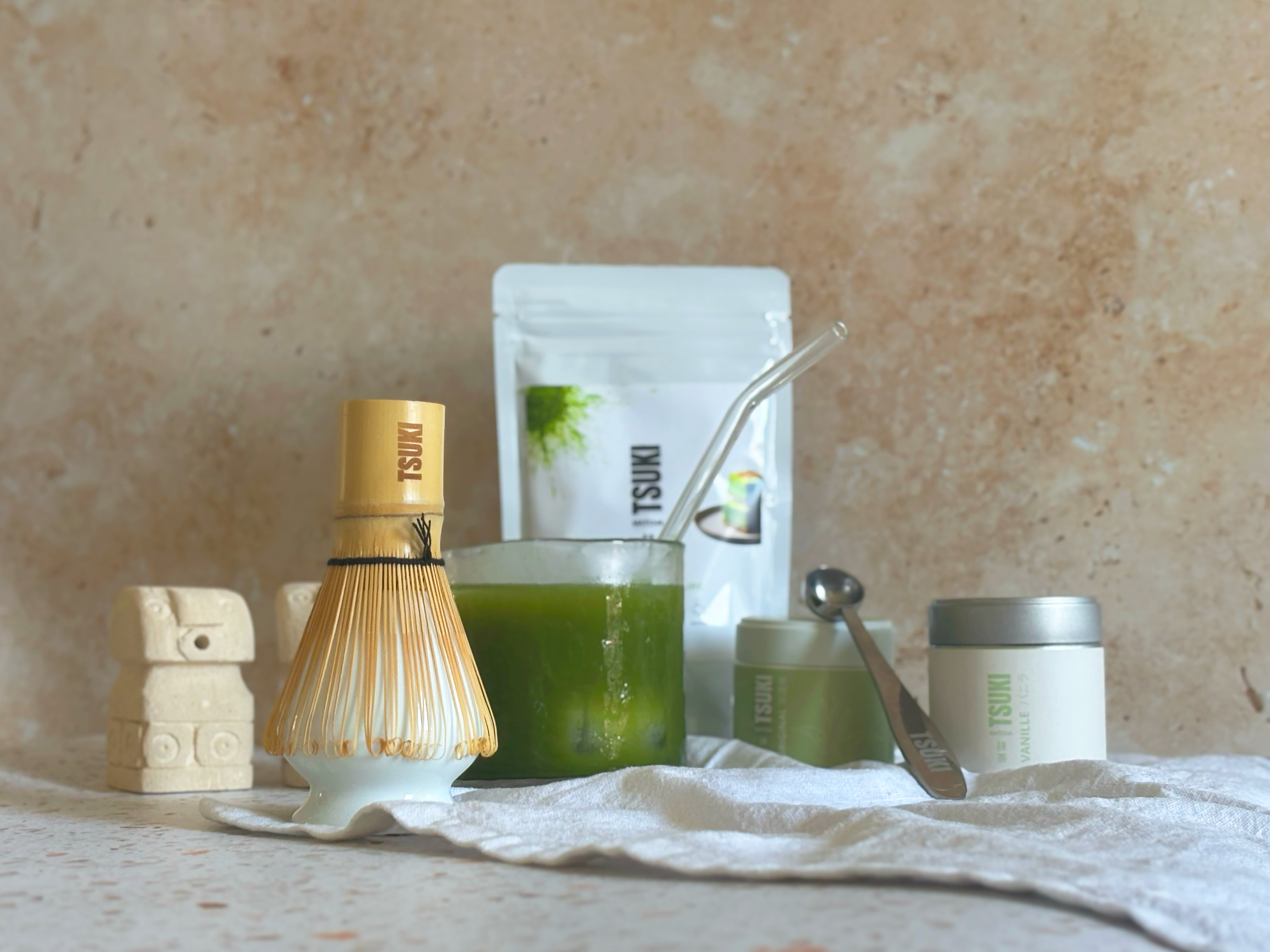
Matcha, on the other hand, is prepared by whisking the powder in water at approximately 80 degrees Celsius with a bamboo whisk, until a fine foam is obtained. This quick gesture contrasts with the slowness of oolong infusion, while still being a ritual in itself.
Oolong Tea or Matcha: Which to Choose?
The choice largely depends on your current desires. If you enjoy exploring varied aromas and savoring a tea over multiple infusions, oolong tea is an ideal companion. Its moderate caffeine also makes it a pleasant afternoon drink.
If you're looking for sustained energy, increased concentration, and maximum nutrients in a single cup, matcha has the advantage. Its powdered form also allows it to be incorporated into lattes, recipes, and desserts, expanding its daily uses.
There's no need to make a definitive choice. Many enthusiasts alternate depending on the time of day, just as one can navigate between the family of Japanese green teas, from sencha to matcha, or discover toasted hojicha with its grilled notes for late afternoons.
Frequently Asked Questions about Oolong Tea
Does oolong tea contain a lot of caffeine?
Oolong tea provides a moderate amount of caffeine, generally less than matcha, which uses the whole leaf. The presence of L-theanine mellows its effect and promotes more stable energy.
Does oolong tea make you lose weight?
Some studies indicate that it can slightly increase energy expenditure, but the effect remains moderate. Oolong tea is not a weight loss product; it is part of a balanced diet and regular physical activity.
What is the taste difference between oolong and matcha?
Oolong tea offers a taste ranging from floral to woody depending on its oxidation. Matcha has a vegetal, creamy, and umami-rich profile, with a denser texture since the entire leaf is consumed.
Can oolong tea be steeped multiple times?
Yes, that's one of its advantages. Oolong leaves can be re-infused multiple times, revealing different aromas with each steeping. Matcha, on the other hand, is prepared once from the powder.
Is oolong tea a Japanese tea?
No, oolong tea is of Chinese origin, with major production also in Taiwan. Matcha, on the other hand, is the quintessential Japanese tea, cultivated and processed using methods specific to Japan.
In summary
Oolong tea and matcha tell two different stories of Camellia sinensis. One plays the card of subtlety and aromatic variety through its controlled oxidation. The other focuses on intensity, concentration, and a unique ritual. Discovering both enriches one's tea palette.

Want to taste the power of the whole leaf? Discover the collection of ceremonial grade matcha from Japan and create your ritual to your taste.


