
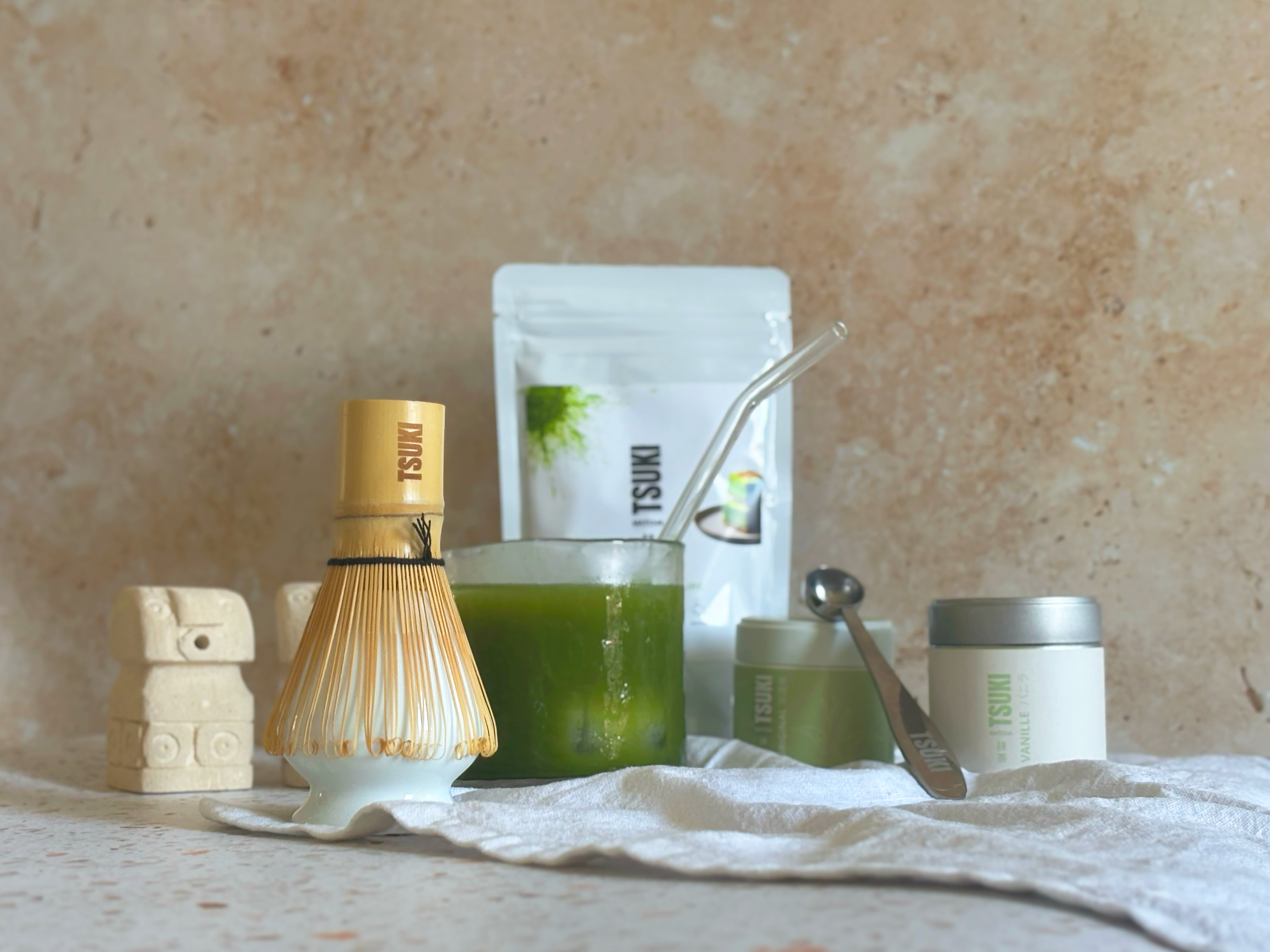

Matcha glass: which glass to choose for a successful iced matcha latte
The right glass changes everything in tasting an iced matcha. Size, thickness, capacity, material: here's how to choose a suitable matcha glass, for both an iced matcha latte and a hot matcha, without breaking the bank or accumulating unnecessary accessories.
Matcha is traditionally drunk from a bowl, but the wave of iced lattes has brought a new accessory into our kitchens: the glass. A well-chosen matcha glass highlights the two green and white layers, keeps the drink cooler for longer, and makes the daily ritual more enjoyable. But you still need to know what size to aim for, what capacity to plan for, and what material to prioritize depending on your use.
In reality, there isn't one ideal matcha glass, but rather a few simple criteria that make the difference between an accessory that gathers dust in the cupboard and the one you reach for every morning.
Matcha glass or bowl: what's the difference in use?
A bowl and a glass serve different purposes. The bowl, or chawan, remains the go-to tool for preparing and drinking hot matcha whisked in the Japanese tradition. Its wide shape allows room for the whisk and helps create a fine foam. The glass, on the other hand, comes into play when serving, especially for cold and lengthened drinks.
In practice, many enthusiasts keep both. They whisk their matcha in a bowl suited for traditional preparation, then pour the mixture over ice into a tall glass. This setup prevents whisking directly in a container that's too narrow, where the whisk can't work properly.
If you're just starting out and are hesitant between the two, the question isn't about choosing one over the other, but understanding when each one comes into play. Preparation is done in a bowl, serving is done in a glass.
Criteria for choosing the right matcha glass
A good matcha glass is judged on four concrete points: capacity, material, shape, and thickness. These criteria matter more than aesthetics alone, even if the visual aspect remains a true pleasure with matcha.
Capacity
For an iced matcha latte, aim for a glass of 350 to 450 ml. This capacity leaves room for ice cubes, milk, and matcha without overflowing when mixing. A glass that's too small forces you to reduce the ice, and the drink then warms up too quickly. For an unsweetened, diluted matcha, a size of 250 to 300 ml is perfectly sufficient.
Material
Classic transparent glass remains the top choice. It highlights the gradient between milk and matcha, which is all part of the drink's charm. Borosilicate glass, more resistant to thermal shock, handles both hot and cold well, a real asset if you alternate between the two. Double-walled glass keeps drinks cooler for longer and prevents condensation on the table, but it's a bit more expensive.
Shape and thickness
A slightly flared or straight glass makes stirring with a spoon easier. Thin-walled glasses are pleasant to drink from but more fragile. For daily use, a slightly thicker glass can better withstand ice cubes and dishwasher cycles.
| Glass type | Ideal for | Strong point | Limitation |
|---|---|---|---|
| Simple transparent glass | Iced matcha latte | Highlights the layers | Sensitive to thermal shock |
| Borosilicate glass | Hot and cold | Resists temperature changes | Slightly higher price |
| Double-walled glass | Keeps cool | No condensation, insulation | More fragile and expensive |
| Ceramic mug | Hot matcha latte | Retains heat, comfortable grip | Doesn't show the colors |
Which glass for an iced matcha latte?
The iced matcha latte is the drink that popularized the matcha glass. To make it visually appealing, a transparent container is essential. It reveals the deep green of the matcha slowly descending into the milk, before you mix it all together.
The technique matters as much as the glass. Fill the tall glass with ice cubes, add your plant-based or dairy milk, then pour the separately prepared and well-whisked matcha over it. To avoid lumps at the bottom of the glass, it's best to prepare the base without a machine by smoothing out the powder before pouring it over the ice.
The choice of milk also affects the final look. A more opaque milk accentuates the contrast with the matcha, while a lighter milk creates a softer gradient. In any case, a tall, narrow glass dramatizes the layered effect, while a wide, short glass gives a more relaxed look.

And for hot matcha: glass or cup?
For hot matcha, the question of the matcha glass is different. A classic glass risks heating up too quickly in your hands and undergoing thermal shock. In this case, we prefer a borosilicate glass, designed to withstand hot liquids, or a ceramic cup that retains heat better.
A thick cup keeps a hot matcha latte warmer for longer, which is important when you're savoring it slowly. However, it conceals the color of the drink, which isn't a problem for everyday use. The matcha ritual is as much about the preparation as it is about how to enjoy matcha both hot and cold depending on your mood.
If you want a single versatile container, a double-walled glass ticks the most boxes. It holds cold as well as hot, doesn't burn your hands, and is pleasant to look at.
The glass does not replace preparation accessories
A matcha glass is for serving, never for preparing. The quality of the drink primarily depends on the tools used beforehand. Without proper preparation, even the most beautiful glass won't save lumpy matcha.
The whisk remains central to achieving a smooth texture and fine foam. A traditional bamboo whisk disperses the powder without lumps, better than a simple spoon. Dosage is just as important, and a measuring spoon allows you to measure the correct amount of powder every time, without approximation.
To clearly see how these tools work together, reviewing the truly essential daily accessories helps avoid unnecessary purchases. The glass comes at the end of the chain, once the base is successfully made.
If you're starting from scratch, getting a whisk, spoon, and bowl all at once in a well-designed starter kit is often cheaper than buying each piece separately.
Our care tips for a matcha glass
Matcha is a fine powder that can leave a slight green residue at the bottom of the glass. A quick rinse immediately after use prevents the residue from settling in. For double-walled glasses, it's best to hand wash to preserve the seal between the two walls.
Avoid placing a cold glass directly under very hot water, or vice-versa. It's these sudden temperature changes that can crack thin glasses. Borosilicate glass tolerates these variations better, making it a durable ally if you alternate between hot and iced drinks.
Frequently asked questions about matcha glasses
Can matcha be prepared directly in the glass?
It's not ideal. A narrow glass prevents the whisk from working properly, which leaves lumps. The best approach is to whisk the matcha separately in a wide bowl, then pour it into the glass when serving.
What size glass for an iced matcha latte?
A 350 to 450 ml glass offers the right balance. It leaves room for ice cubes, milk, and matcha without the risk of overflowing when mixing.
Is a transparent glass mandatory?
No, but it is highly recommended for an iced matcha latte. Transparency highlights the gradient between the milk and the matcha, which is part of the pleasure. For hot matcha, a ceramic cup is perfectly suitable.
Does a double-walled glass worth the investment?
If you drink both hot and cold matcha, yes. It insulates the drink, prevents condensation, and doesn't burn your hands. It's the most versatile container, at the cost of being a bit more fragile.
How to prevent green residue at the bottom of the glass?
Thoroughly whisking the matcha before pouring reduces residue. Rinsing immediately after use prevents residues from setting in and keeps the glass clean longer.
The perfect glass begins with good matcha
The glass sets the stage for the drink, but it's the powder that makes the taste. A beautiful green gradient is only valuable if the matcha itself is vibrant, smooth, and fragrant. Before investing in the container, it's better to secure the raw material.

To create iced matcha lattes that are as stylish as they are delicious, discover the premium matchas from the TSUKI collection, sourced in Japan and designed for your daily ritual.


