

Japanese Tea Time: The Art of Tea Drinking, from Sencha to Matcha
Tea time isn't just an English affair. In Japan, drinking tea is an art in itself, more understated, slower, focused on the present moment. Here's how this ritual developed, which teas it includes, and how to recreate your own Japanese tea time at home.
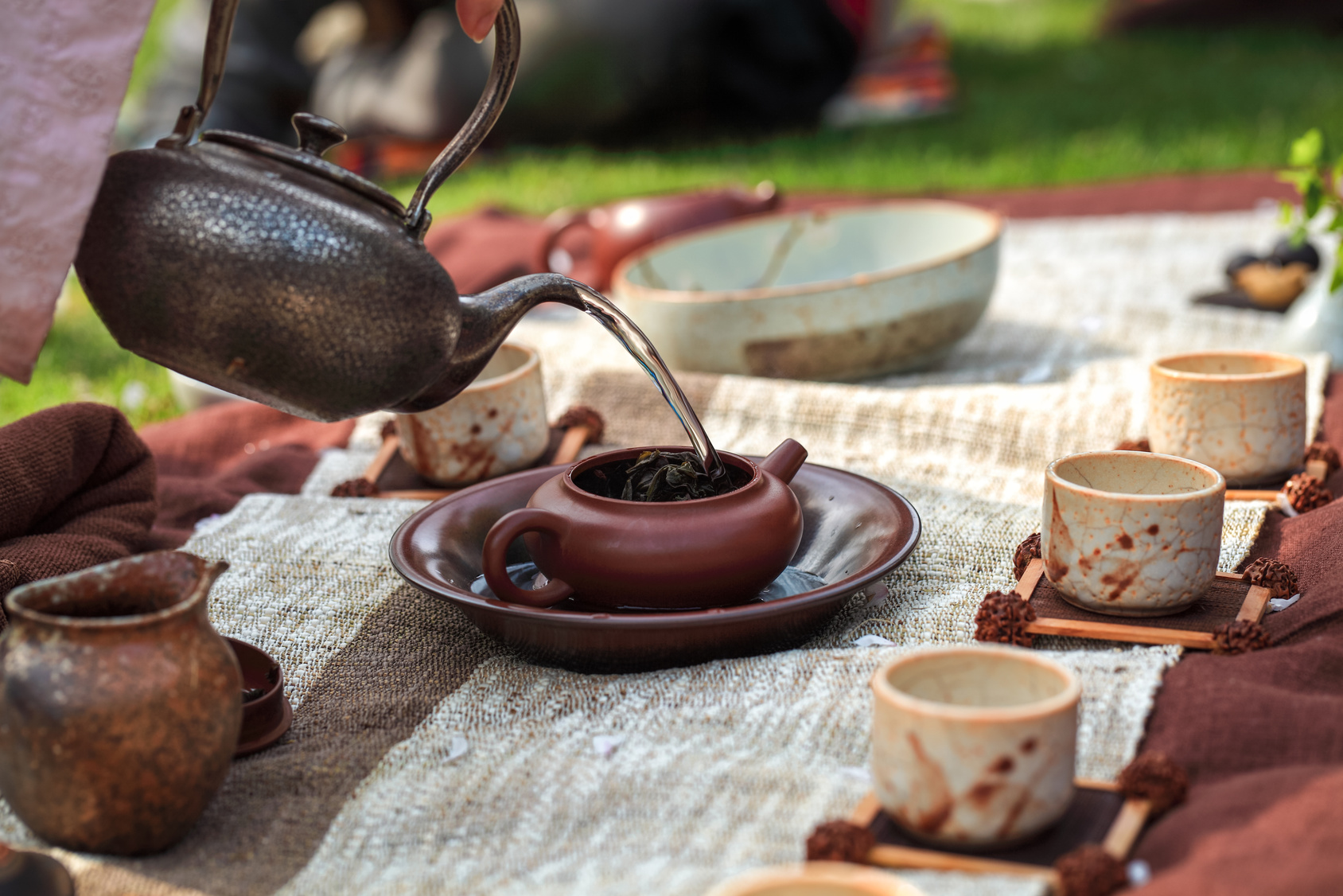
When we think of tea time, we often imagine a porcelain teapot, scones, and a cloud of milk. This image comes from England. But there's another way to drink tea, born on the other side of the world, with a very different spirit.
Japanese tea time doesn't seek abundance. It seeks precision. A good tea, a beautiful gesture, a moment of calm. Nothing more.
Tea time, an English and Japanese tradition
English tea time originated in the 19th century. The idea was simple: to satisfy hunger between lunch and a late-served dinner. It features a strong black tea, often an Earl Grey with notes of bergamot, accompanied by pastries and sandwiches.

It's a social moment. People gather, chat, and share a generous table.
Japan approaches tea differently. Here, drinking tea is part of a millennial culture linked to Zen Buddhism. The gesture is as important as the drink. Silence has its place. Attention to every detail becomes a form of meditation.
Where afternoon tea celebrates sharing and abundance, Japanese tea time celebrates presence and simplicity.
The main teas of Japanese tea time
A Japanese tea time is built around green teas, each with its own character. Understanding these profiles allows for a varied experience, from the lightest to the most intense.
Sencha
Sencha is the most consumed green tea in Japan. Its leaves are grown in full sun, then steamed. The result is a fresh, vegetal, slightly astringent tea. It's an everyday tea, often served at the beginning of tea time to awaken the palate.
Hojicha
Hojicha is a roasted green tea. This roasting gives it an amber color and a toasted, almost caramelized taste. It contains little caffeine, making it an excellent tea for the end of the day, perfect to accompany a pastry.
Genmaicha
Genmaicha combines green tea and roasted brown rice. The result is a round, comforting flavor with cereal notes. It is sometimes called "the people's tea" because it was historically more accessible. Its warmth on the palate makes it ideal for cold months.
Matcha
Matcha is the pinnacle of Japanese tea time. Unlike other teas, it is not infused. The entire leaf, ground into a fine powder, is whisked in hot water.

Its profile is rich, umami, with a noble bitterness and a creamy texture. It is the ceremonial tea, requiring the most care. A premium Japanese ceremonial grade matcha reveals all the finesse of this moment.
Japanese tea time vs. English afternoon tea: the differences
Both traditions share a common starting point: the pleasure of drinking tea. But they differ in almost everything else.
| Criterion | Japanese Tea Time | English Afternoon Tea |
|---|---|---|
| Main Tea | Green teas (sencha, matcha) | Black teas (Earl Grey, breakfast) |
| Spirit | Presence, calm, simplicity | Sharing, conviviality, abundance |
| Accompaniments | Wagashi, light sweets | Scones, sandwiches, cakes |
| Milk | Rarely, except in modern lattes | Often added to tea |
| Pace | Slow, almost meditative | Social and lively |
Neither approach is superior. They simply cater to different desires. One nurtures connection, the other nurtures inner calm.
How to create your Japanese tea time at home
Recreating this ritual at home doesn't require a tea room or complex equipment. A few guidelines and a clear intention are enough.
Choosing your teas
Start with two or three teas with complementary profiles. A fresh sencha to open, a gentle hojicha to extend, a matcha for the climax. This progression creates a true tasting journey. Each tea prepares the next.
Cherish the moment
Japanese tea time is experienced in calm. Turn off screens. Take the time to heat the water to the correct temperature. Observe the color of the tea, its steam, its aroma. This attention to the present has a name, ichigo ichie, the idea that every encounter is unique and will never be repeated identically.
Consider the accompaniments
In Japan, tea is accompanied by wagashi, delicate sweets made from red bean paste or glutinous rice. Their sweetness balances the bitterness of green tea. If you can't find any, a lightly sweetened pastry works just fine. The important thing is lightness, so as not to overpower the taste of the tea.
Other cultures have also built rituals around spiced tea. Chai latte and its blend of spices show another path, warmer and more aromatic, interesting to explore in parallel.
Matcha, the heart of Japanese tea time
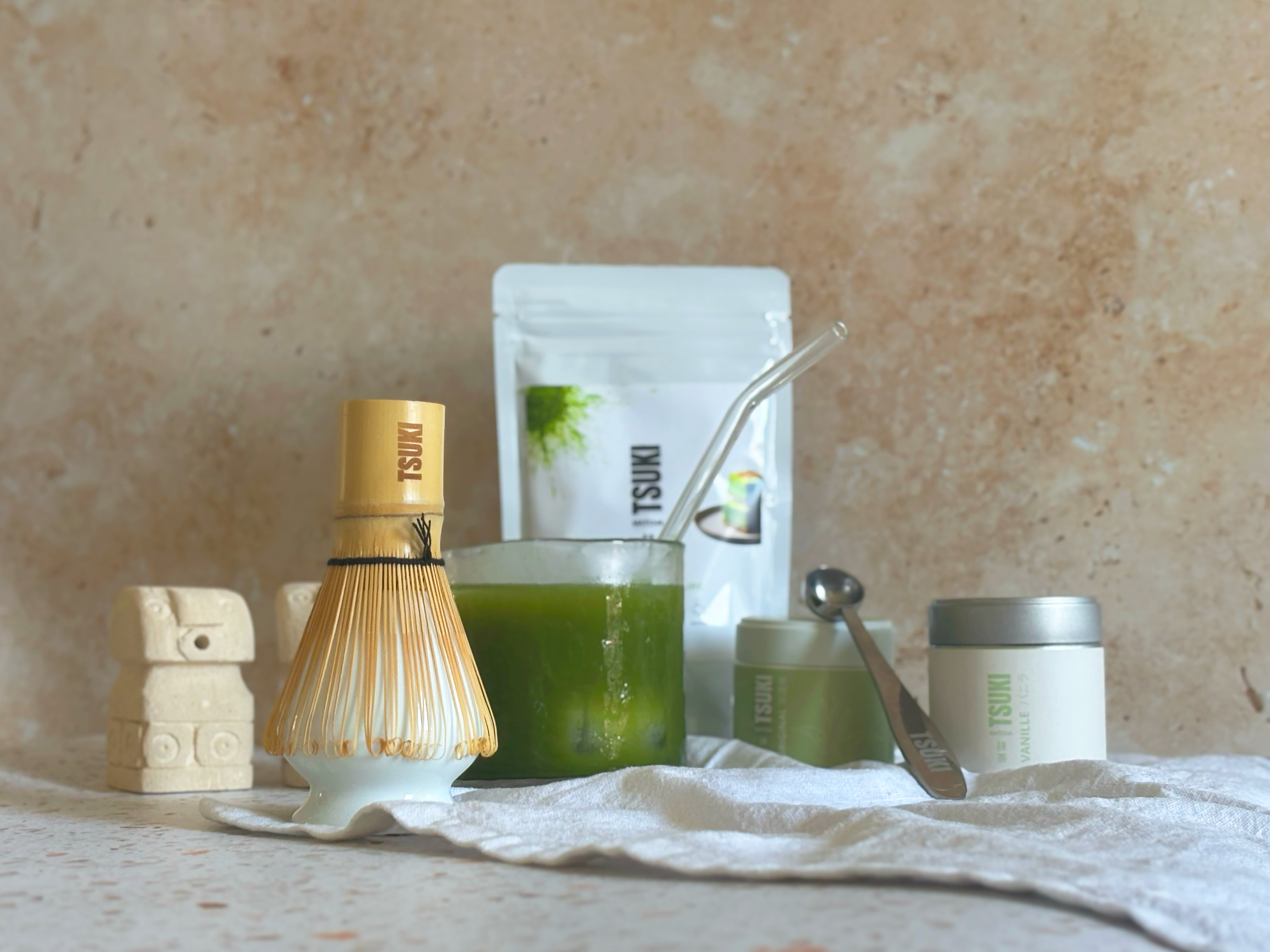
If one tea had to embody this ritual, it would be matcha. It concentrates everything that Japanese tea time seeks: quality, gesture, presence. Preparing a matcha requires a small choreography. You sift the powder, add hot water, and whisk until a fine foam is obtained. This repeated gesture becomes soothing.

To start in the best conditions, the Complete Set gathers the matcha, whisk, and accessories to set up this ritual at home from day one.

It is often through matcha that one discovers how a simple tea can transform a break into a true moment for oneself.
Frequently Asked Questions about Japanese Tea Time
What time should you have a Japanese tea time?
There's no set time. In the morning for matcha's energy, in the afternoon for a break, or in the evening with a low-caffeine hojicha. The spirit matters more than the time.
Which tea should I choose to start?
Sencha and hojicha are gentle entry points. For matcha, a ceremonial grade with a balanced taste makes discovery easier without excessive bitterness.
Do I need specific equipment?
For infused teas, a simple teapot is enough. For matcha, a bamboo whisk and a suitable bowl make all the difference in texture and foam.
Can I add milk?
Tradition favors plain tea. But matcha latte is a very popular modern version. In this case, matcha is whisked first with a little hot water, before adding milk.
Is Japanese tea time reserved for connoisseurs?
Not at all. It's a practice accessible to everyone. All it takes is good tea and the desire to slow down for a few minutes.
Setting up your tea ritual
Japanese tea time is not a rigid ceremony. It's an invitation to slow down, to truly taste, to make a tea break a meaningful moment. From sencha to matcha, each tea tells a facet of this culture. And the simplest way to start is to just dive in, one cup at a time.

Want to create your own Japanese tea ritual? The Complete Kit contains everything you need to prepare quality matcha and establish this moment of calm at home.


