
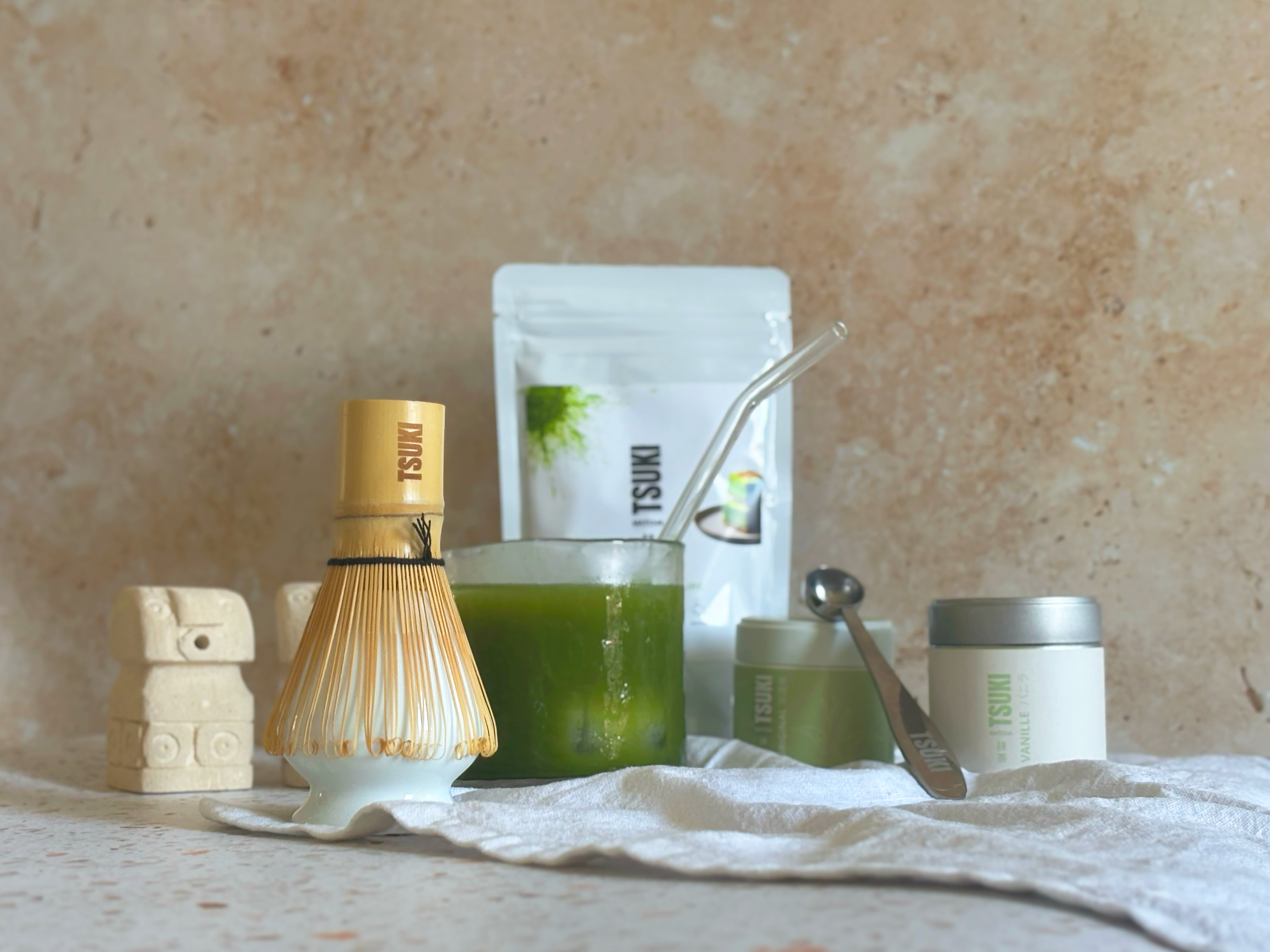

Shincha: origin, benefits, and comparison with matcha
Shincha is the very first Japanese green tea of the year, harvested in spring and sold almost immediately. Its fresh, vegetal flavor, sweetness, and rich nutritional content make it a highly sought-after tea. Here's its origin, benefits, and what truly distinguishes it from matcha.
Every year, when the first shoots emerge on Japanese tea plants, producers harvest an exceptional tea for a few days. This tea has a simple name: shincha, literally "new tea." It embodies the most anticipated moment of the season for Japanese green tea enthusiasts.
What is shincha?
The word shincha is composed of two Japanese characters. "Shin" means new, and "cha" means tea. Shincha therefore refers to tea from the very first spring harvest, usually around April, processed and then put on sale almost immediately.

This speed to market is what defines shincha. While other teas rest for a few months before being sold, shincha arrives fresh to the drinker, still imbued with its spring aromas. Its availability is short and its quantity limited, which explains its status as a prized tea in Japan.
Botanically, shincha comes from the same plant as most Japanese teas, a green tea cultivated to reveal fresh and vegetal notes. It is the harvest time and the freshness of its processing that make it truly unique.
Origin and harvest of shincha
Shincha belongs to the family of first flush teas, called ichibancha in Japan. During winter, the tea plants enter dormancy. The roots draw minerals from the soil and the young buds slowly fill with nutrients. In spring, this accumulated energy is released into the first shoots.
Producers then pick the tenderest buds and young leaves, often within a window of just a few days. The leaves are then steamed, rolled, and dried to preserve their freshness. This steaming method is typically Japanese and maintains the vibrant green color of the tea.
The difference between shincha and ichibancha primarily lies in the sales calendar. Shincha is shipped immediately after processing, whereas a classic ichibancha may rest longer before being offered. Shincha is, by nature, a tea to be enjoyed young.
The main producing regions are the same as those renowned for Japanese green tea and matcha. These include the Shizuoka plantations, famous for their green teas, as well as those in the south of the country.
Shincha or sencha: what's the difference?
Confusion between shincha and sencha is common, as both are steamed Japanese green teas. Sencha is actually a broad category that includes the majority of everyday Japanese green teas, harvested at different times of the year.
Shincha is, in a way, a first flush sencha, picked at the very beginning of spring and sold fresh. It is this freshness that changes its profile. It offers a softer, sweeter flavor, with a more discreet bitterness than a sencha harvested later in the season.
To properly place this tea within the Japanese family, comparing sencha and its characteristic vegetal aromas helps to understand why shincha is perceived as its freshest and most sought-after version.
Fans of sweet teas also appreciate comparing it to the shaded gyokuro and its roundness in the mouth, another high-end Japanese tea with a deeper character.
The benefits of shincha
The main advantage of shincha comes from its freshness and its first flush status. The young spring shoots concentrate a large amount of nutrients accumulated during winter. They contain antioxidants, vitamins, and amino acids in good proportion.
Like other Japanese green teas, shincha is rich in catechins, natural antioxidants that help the body fight oxidative stress. It also provides theanine, an amino acid associated with a state of calm and concentration. This combination contributes to a gentler and more stable energy boost than that of coffee.
Shincha contains caffeine, but its richness in theanine tempers its effect. Many enthusiasts specifically seek this balance, which is also at the heart of the difference between green tea and matcha in terms of perceived energy.
It is useful to remember that shincha remains a pleasure and wellness drink. It supports a balanced lifestyle but does not replace treatment or the advice of a health professional.
Shincha or matcha: a comparison
Shincha and matcha both come from Japanese green tea, but their nature differs profoundly. Shincha is a leaf tea that is steeped and then filtered. Matcha is a powder of stone-ground leaves, which is entirely dissolved in water and drunk.

This difference changes the entire experience. With shincha, you infuse and discard the leaves. With matcha, you ingest the entire leaf, which explains its higher concentration of antioxidants and caffeine per cup. The preparation ritual also differs significantly, as shown by the comparison between an infused tea and a whisked matcha.
| Criterion | Shincha | Matcha |
|---|---|---|
| Form | Whole leaves for infusion | Fine stone-ground powder |
| Preparation | Infusion then filtering | Whisked and drunk entirely |
| Flavor | Fresh, sweet, slightly sugary | Vegetal, round, distinct umami |
| Caffeine per cup | Moderate | Higher |
| Availability | Seasonal and limited | Year-round |
The choice therefore depends on the use. Shincha appeals to those who enjoy the act of infusing and the lightness of a spring tea. Matcha is suitable for those who want a more concentrated beverage, versatile in cooking and lattes. For an intense daily ritual in flavor, a ceremonial grade matcha from Japan remains a reliable choice available all year round.
How to prepare and enjoy shincha
Shincha requires tempered water to reveal its sweetness. Water that is too hot will scald the young leaves and bring out bitterness. A temperature around 70 degrees is suitable for a first infusion.
The infusion time remains short, often less than a minute. The same leaves can be re-infused two or three times, with each pass revealing a different facet of the tea. The first infusion is the sweetest, subsequent ones gain in depth.
To extend the discovery of sweet and roasted Japanese teas, comparing shincha with genmaicha and its roasted rice notes offers a beautiful contrast of flavors throughout the day.
Frequently asked questions about shincha
Is shincha a green tea?
Yes. Shincha is a Japanese green tea from the first spring harvest. It is steamed like most Japanese green teas, which preserves its color and freshness.
What is the difference between shincha and sencha?
Sencha is a large category of Japanese green teas harvested at different times. Shincha is a first flush sencha, sold fresh, sweeter and more sugary than sencha harvested later in the season.
Does shincha contain caffeine?
Yes, shincha contains caffeine, but in moderate amounts. Its richness in theanine softens the effect and provides a more stable energy than coffee.
When can you buy shincha?
Shincha is a seasonal tea. It generally appears in spring, shortly after the first harvest in April, and is available in limited quantities for the rest of the year.
Shincha or matcha, which to choose?
Shincha suits those who enjoy light infusion and seasonal tea. Matcha, being more concentrated and available all year round, is suitable for both drinking and cooking. Both complement each other very well in a Japanese green tea routine.
Shincha, an invitation to Japanese spring
Shincha tells the story of a precise moment of the year, when the tea plant yields its very first leaves. Its freshness, sweetness, and nutritional richness make it a tea to be enjoyed young, almost like a seasonal fruit. It perfectly complements a broader discovery of Japanese green teas.

Want to extend the ritual all year round with an intense and versatile powder? Discover our premium matcha collection from Japan.


